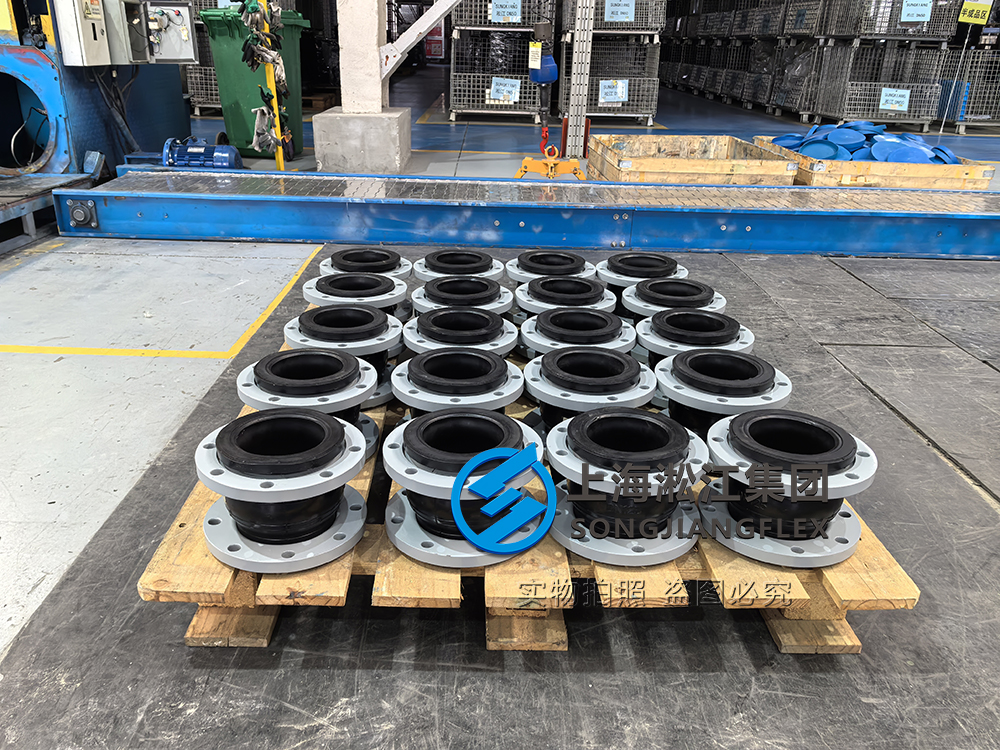

Pipes in cold environments are prone to cracking or leaking, especially when transporting antifreeze liquids. Antifreeze-specific flexible rubber expansion joints are designed to resist low temperatures, chemical corrosion, and vibration, ensuring long-term reliability while reducing maintenance costs. These joints are widely used in HVAC systems, water pumps, cooling systems, and industrial pipelines.
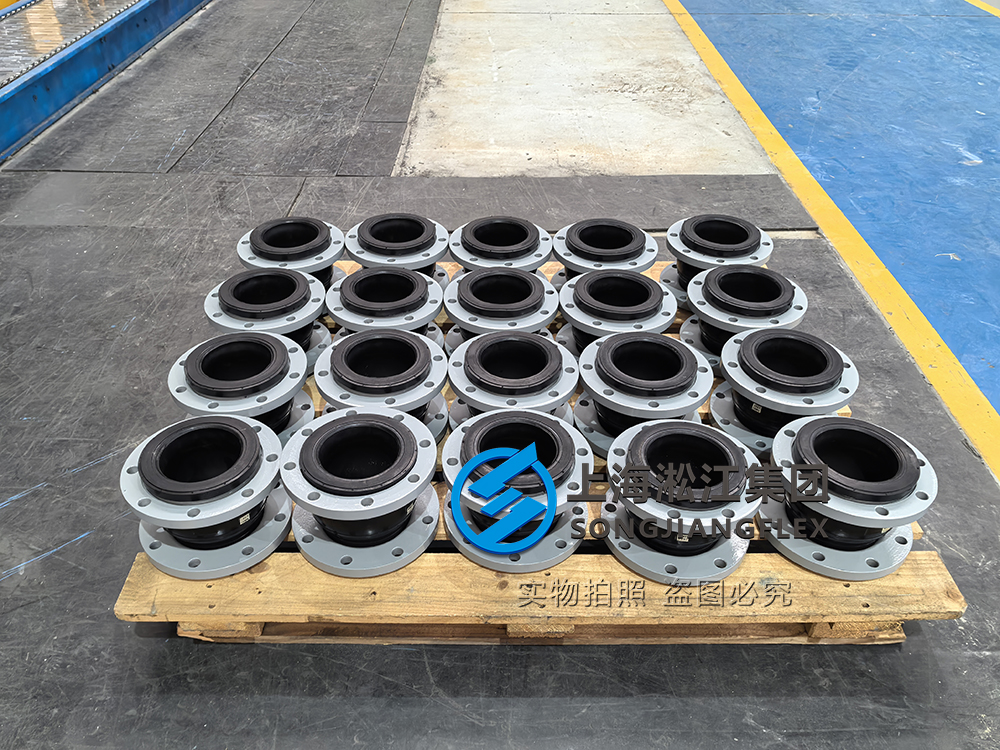
Antifreeze-specific rubber expansion joints are engineered to handle the chemical and thermal stresses of antifreeze solutions. Unlike standard rubber joints, they use materials like EPDM or NBR, which resist cracking, leaks, and chemical degradation even under extreme conditions. Their bellows and flanged connections provide secure attachment while allowing pipelines to expand, contract, and absorb vibration. This makes them essential components in commercial and industrial applications.
Cold environments and antifreeze liquids place significant stress on pipelines, causing traditional joints to fail prematurely. Antifreeze-specific joints extend pipeline life by accommodating temperature fluctuations, chemical corrosion, and mechanical vibration. By reducing maintenance frequency and cost, these joints help ensure uninterrupted operation for critical systems like chillers, water pumps, and industrial cooling loops. Selecting the correct joint material and size is crucial to maintaining system reliability.
EPDM and NBR are the most commonly used materials for antifreeze-specific expansion joints. EPDM offers excellent resistance to ethylene glycol and other antifreeze solutions, while NBR provides durability under mechanical stress and resistance to oil-based contaminants. Choosing the right material depends on system temperature, chemical exposure, and mechanical load. Using certified materials from reputable manufacturers ensures safety and performance.
These joints are highly versatile and suitable for a variety of applications. They can be installed on concrete pipelines, metal pipes, and industrial fluid systems. For example, rubber expansion joints for concrete pipelines absorb thermal and mechanical stress, while rubber expansion joints for pipes provide leak-proof connections for metal or plastic pipelines. Metraflex rubber expansion joints and flanged rubber expansion joints offer standardized flanges, robust sealing, and vibration absorption, simplifying installation and maintenance.
Proper installation is essential to prevent leaks, damage, or premature failure. Joints must be aligned correctly, gaskets properly installed, and flanges tightened to the manufacturer’s recommended torque. Pressure testing after installation ensures a reliable seal. Routine inspection and maintenance are necessary to detect wear, chemical degradation, or mechanical stress before it affects performance.
For buyers looking for product specifications and sourcing information, rubber expansion joint catalogue PDFs and manufacturer listings are valuable resources. Trusted suppliers like Songjiangflex provide certified and customized antifreeze-specific joints with detailed technical information, ensuring compliance with industrial standards. Reliable manufacturers also provide guidance on proper installation, maintenance, and lifespan expectations.
The lifespan of antifreeze-specific flexible rubber expansion joints depends on material quality, operating pressure, temperature, and maintenance. High-quality EPDM or NBR joints can last 5–10 years under normal operating conditions. Routine monitoring, inspection, and proper care help extend durability and prevent costly pipeline failures. Investing in the right joint ensures pipeline safety, reduces downtime, and optimizes system performance.
In conclusion, antifreeze-specific flexible rubber expansion joints offer a reliable solution for pipelines exposed to low temperatures and chemical stress. Their combination of flexibility, chemical resistance, and vibration absorption protects critical systems, simplifies installation, and reduces maintenance costs in HVAC, cooling, and water pump applications.