
Why Test Rubber Expansion Joints with Lubricating Oil?
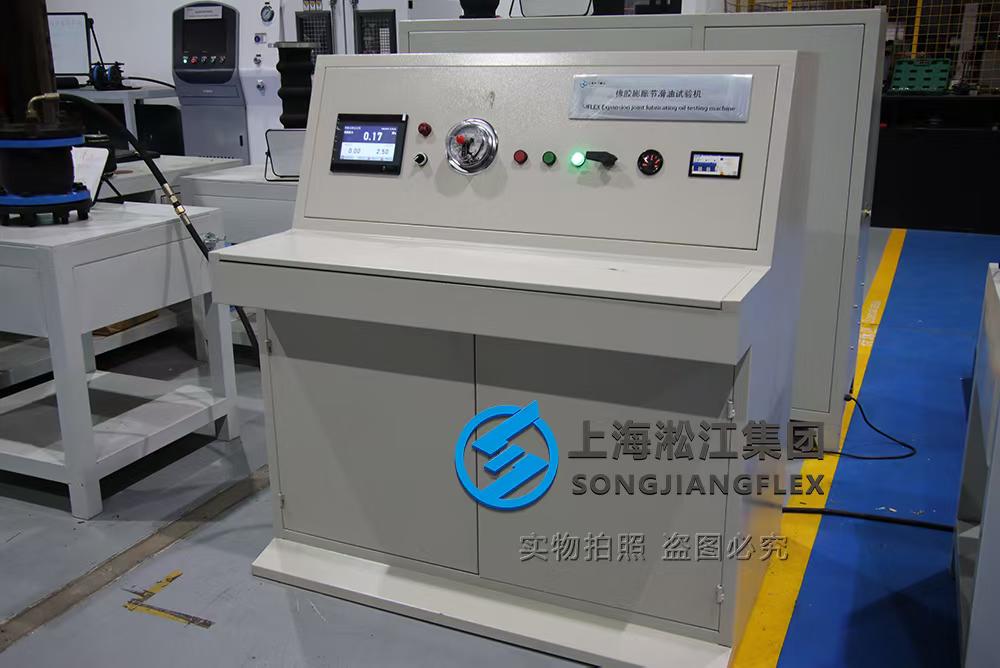
A rubber expansion joint may look simple from the outside, but when it is installed in a lubricating oil pipeline, its reliability depends on much more than appearance. Rubber compound compatibility, reinforcement structure, flange sealing, pressure resistance, bonding quality, and dimensional stability all affect the performance of the finished product. That is why we believe […]
Why Use Wire Rope Isolators on Shipboard Equipment?
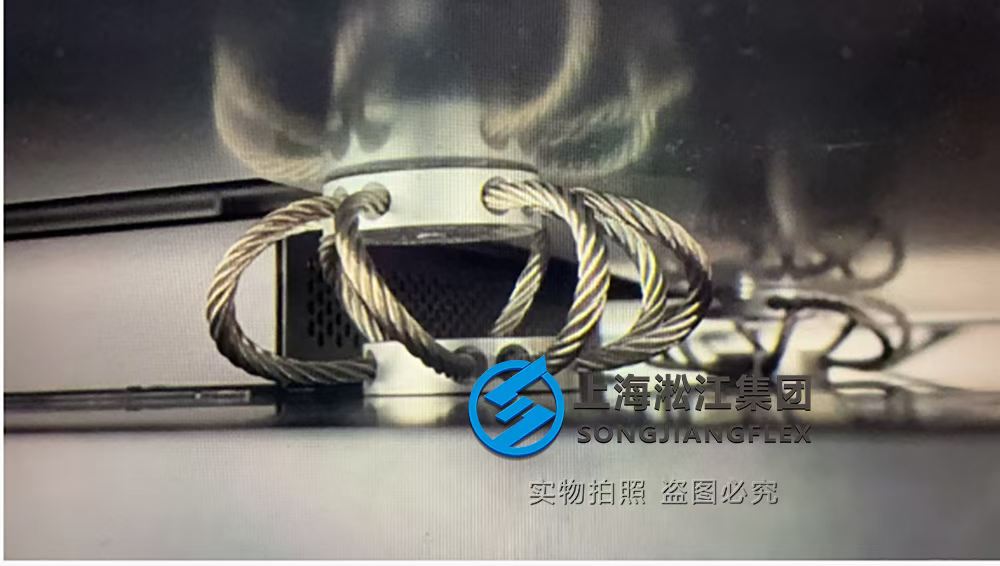
Marine equipment operates in a challenging vibration environment. During navigation, shipboard equipment can be continuously affected by main engines, diesel generator sets, propulsion systems, pumps, compressors, ventilation equipment, rotating machinery, hull vibration, and wave-induced motion. For sensitive onboard equipment, continuous vibration and sudden shock may affect electrical connections, electronic components, measuring accuracy, and long-term reliability. […]
Why Use PTFE-Lined Bellows for Copper Sulfate Piping?
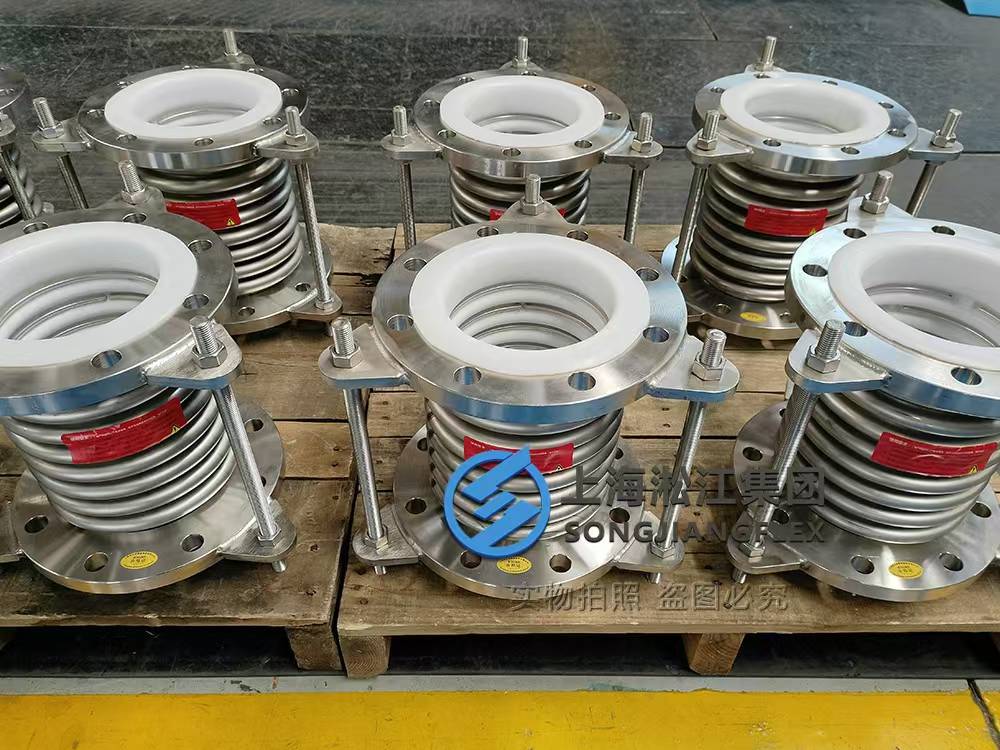
Copper sulfate process piping can present a challenging combination of corrosive media, chemical concentration changes, temperature fluctuations, pump vibration, and pipeline thermal movement. In chemical processing, electroplating, hydrometallurgy, copper refining, and wastewater treatment systems, the piping components must be selected not only for pressure resistance but also for long-term chemical compatibility. For these demanding applications, […]
Why Install JWT Stainless Steel Flexible Hoses in Chiller Plant Rooms?
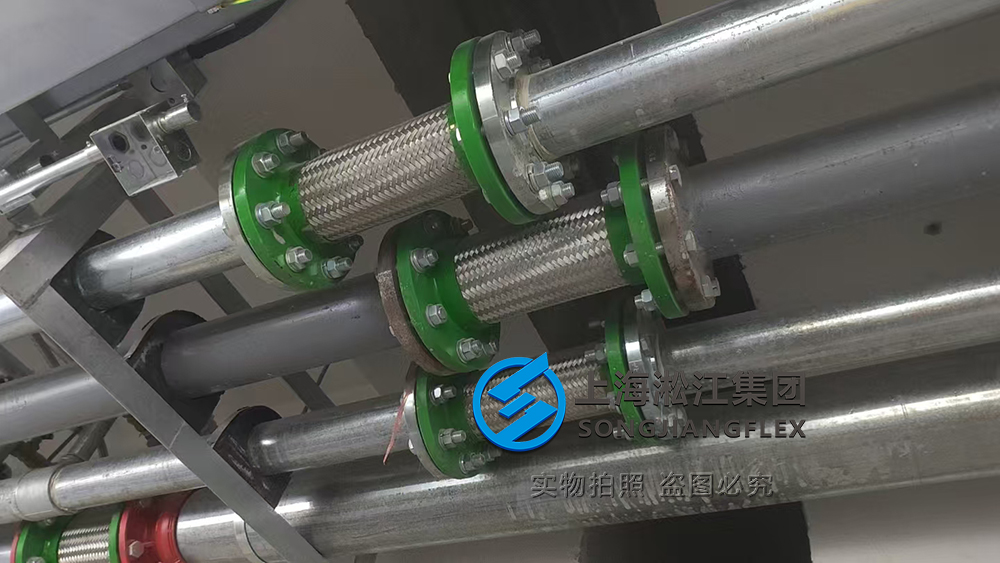
A batch of JWT Stainless Steel Flexible Hoses has recently been installed in an HVAC central chiller plant room, providing flexible connections between rotating mechanical equipment and the associated piping system. Central air-conditioning plant rooms contain numerous pumps, chillers, heat exchangers, valves, and large-diameter piping networks. During continuous operation, pumps and other rotating equipment generate […]
Why Are Air Damping Vibration Isolators Shipped to Korea?
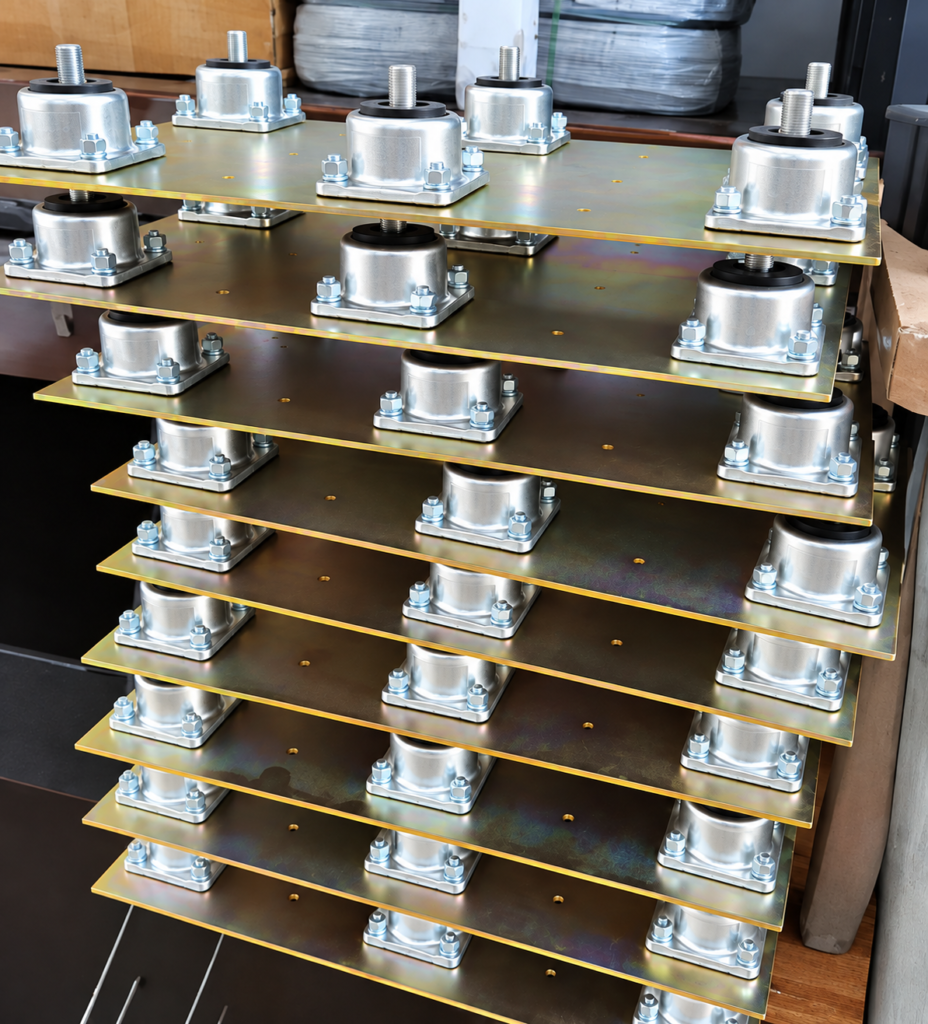
A new batch of Air Damping Vibration Isolators has recently been prepared and shipped to our customer in South Korea. These compact vibration control components are designed for applications where sensitive electronic, communication, control, and precision equipment requires reliable protection against continuous vibration and mechanical shock. Compared with simple rubber mounts, an air damping vibration […]
Why Use a Rubber Expansion Joint with 304 Stainless Steel Flanges and Control Rods?
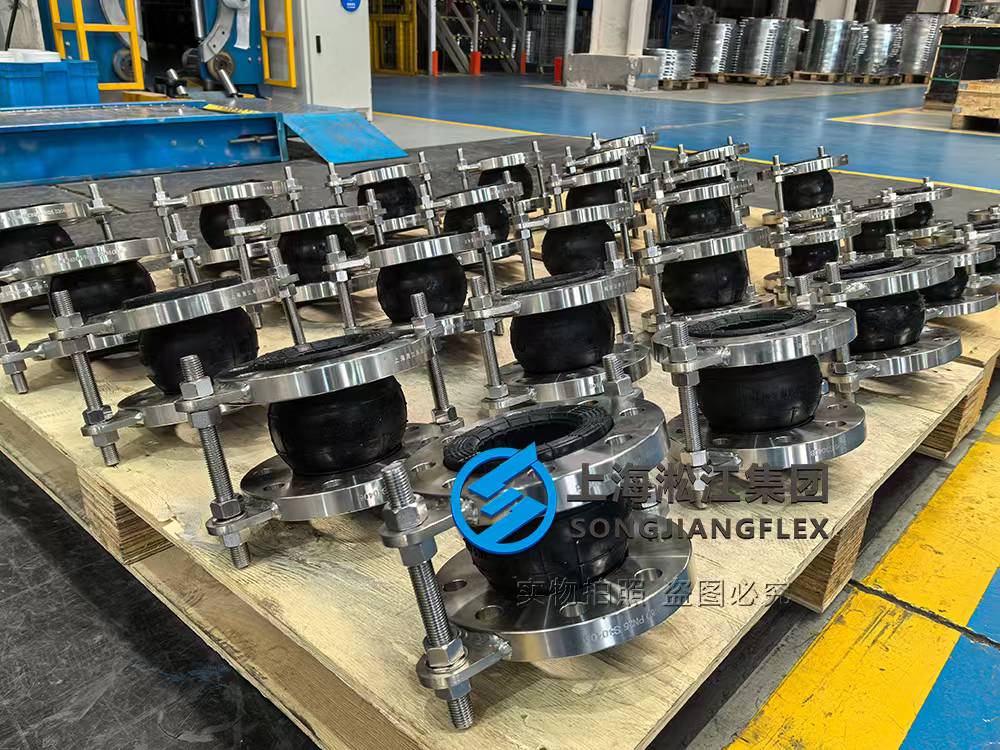
Industrial piping systems are constantly exposed to vibration, pressure fluctuations, thermal expansion, equipment movement, and installation stress. Pumps, chillers, cooling towers, compressors, heat exchangers, and other rotating equipment can transfer vibration directly into connected pipelines, increasing noise and mechanical stress. A rubber expansion joint with 304 stainless steel flanges and control rods provides a practical […]
Why Use Diesel-Resistant Rubber Expansion Joints in Fuel Piping?
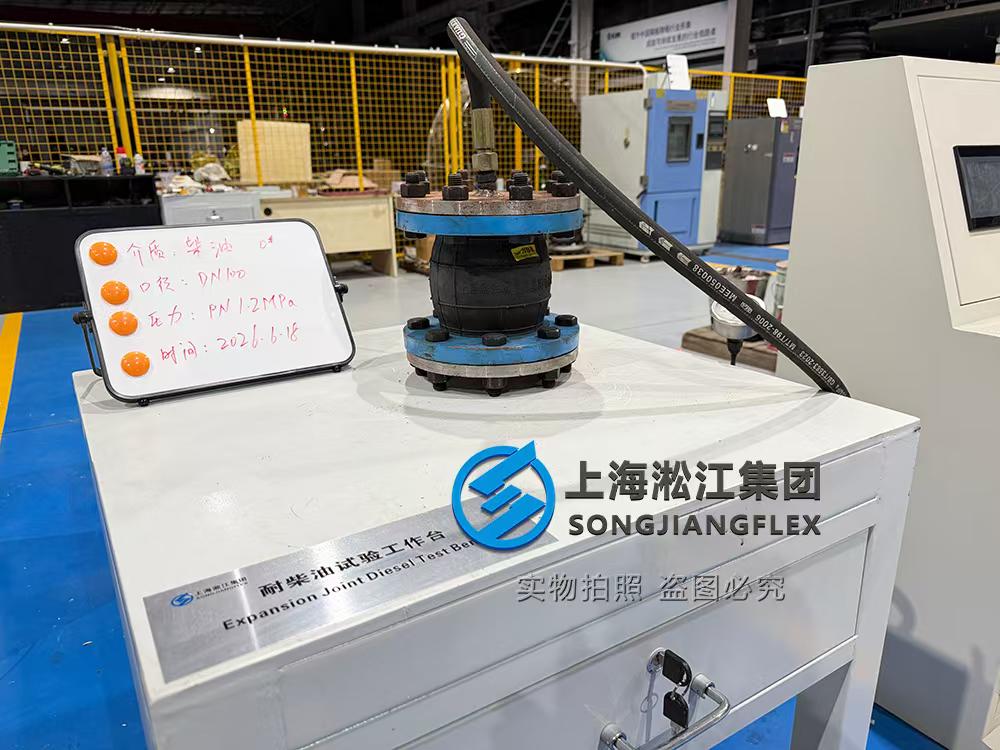
Diesel fuel piping systems are widely used in diesel generator installations, emergency power plants, fuel transfer stations, marine engine rooms, data centers, industrial boiler systems, and heavy machinery. Although the piping itself may appear relatively simple, vibration generated by pumps and engines can continuously transfer into connected pipelines. A diesel-resistant rubber expansion joint provides a […]
Why Use SPTM-1 Spring Vibration Isolators for HVAC Equipment?
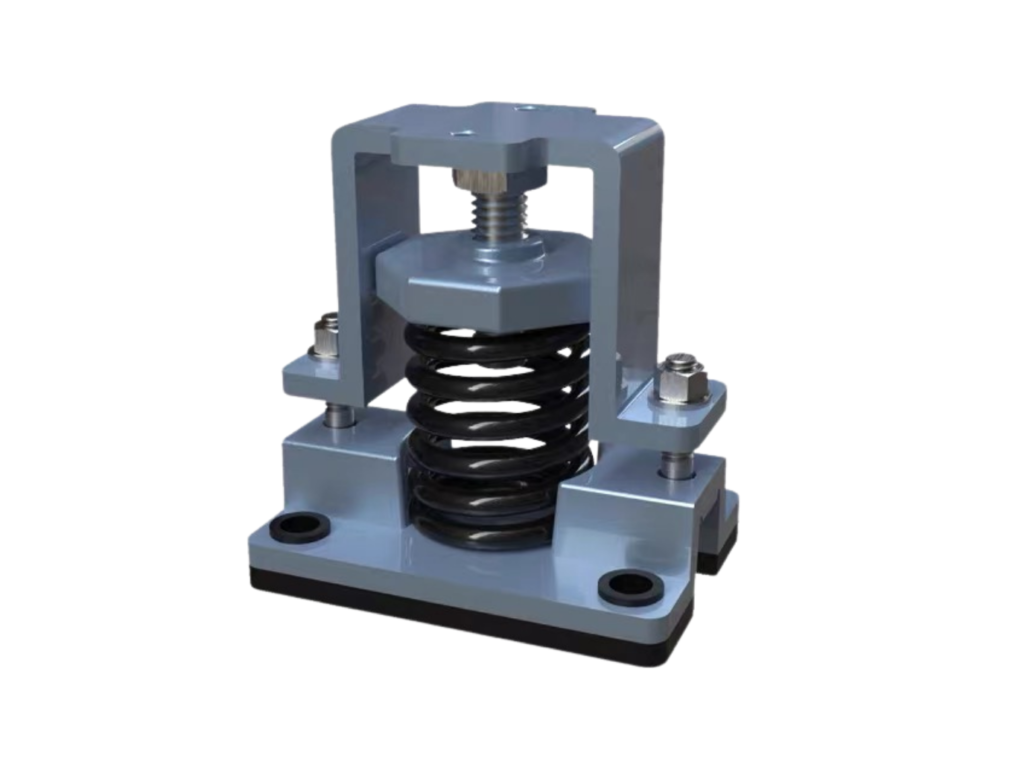
Mechanical equipment such as chillers, cooling towers, boilers, air-cooled condensers, pumps, and air handling units can generate continuous vibration during operation. If this vibration is transmitted directly into a concrete floor, rooftop structure, steel frame, or equipment foundation, it may lead to structure-borne noise, pipe stress, equipment movement, and reduced operating stability. The SPTM-1 Series […]
How Do JYC Cup-Style Vibration Isolation Mounts Reduce Equipment Vibration?
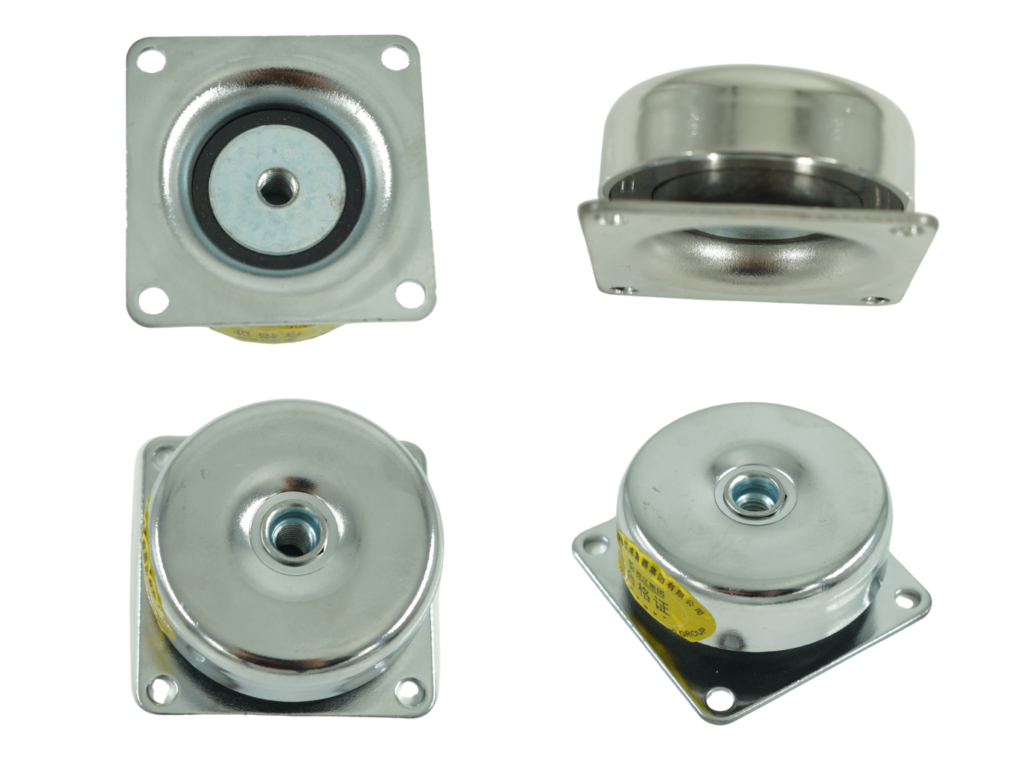
Industrial machinery, mobile equipment, marine systems, and vehicle-mounted units can generate continuous vibration and sudden shock during operation. Without proper vibration isolation, these dynamic forces may be transmitted into equipment frames, steel structures, floors, vehicle chassis, or foundations, resulting in structure-borne noise, component fatigue, loosened fasteners, and reduced equipment reliability. JYC Cup-Style Vibration Isolation Mounts […]
How Does an Air Damping Vibration Isolator Protect Vehicle-Mounted Equipment?
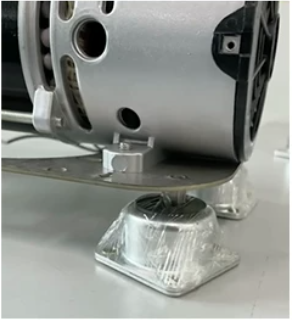
Electronic and precision equipment installed on vehicles is continuously exposed to vibration, road shock, engine excitation, and sudden mechanical impacts. These dynamic forces can affect sensitive components, loosen electrical connections, reduce measurement accuracy, and shorten equipment service life. An Air Damping Vibration Isolator provides an effective solution for protecting sensitive equipment in mobile environments. By […]