WCR-C Type Ceramic Lined Rubber Expansion Joint
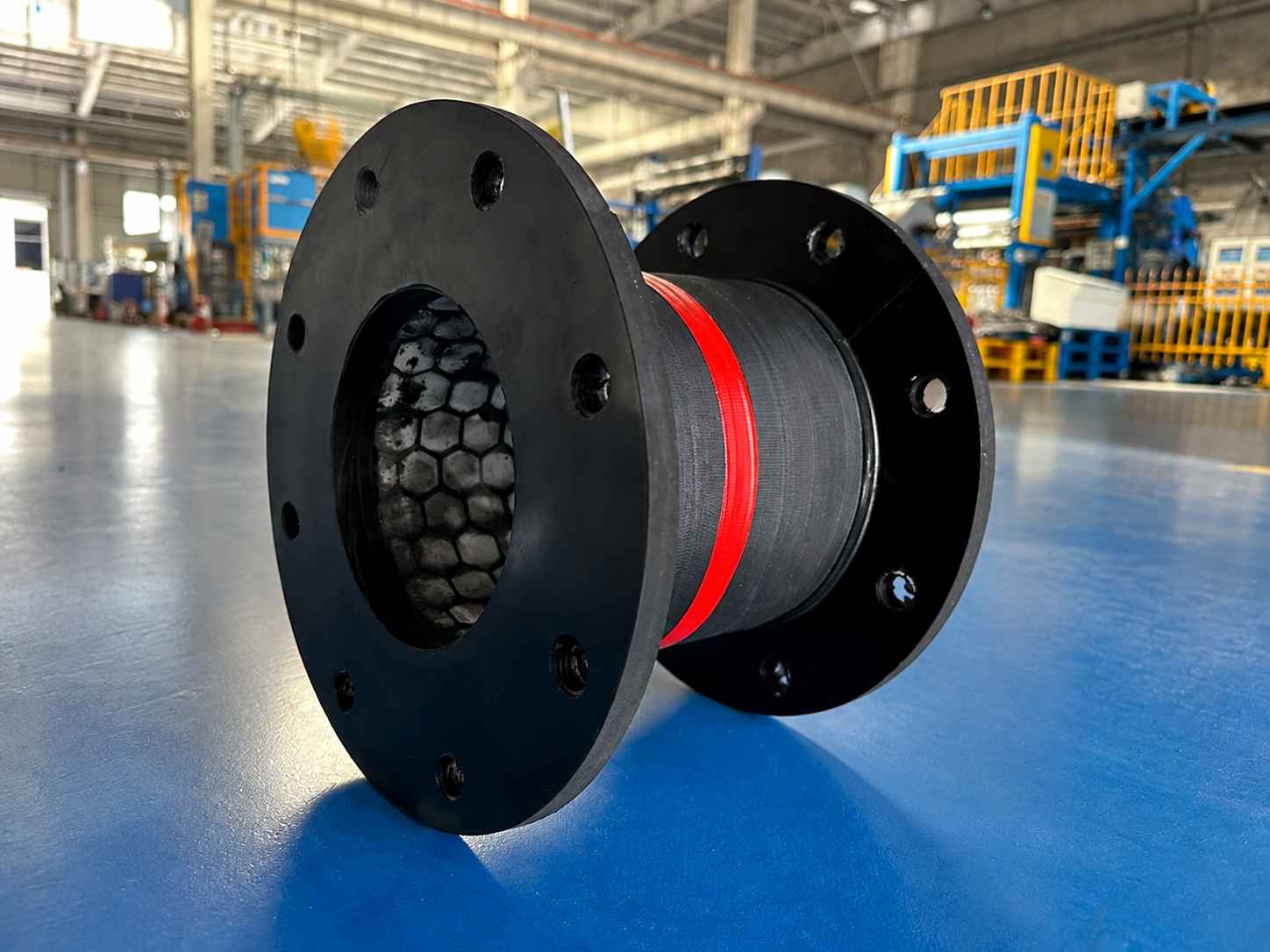
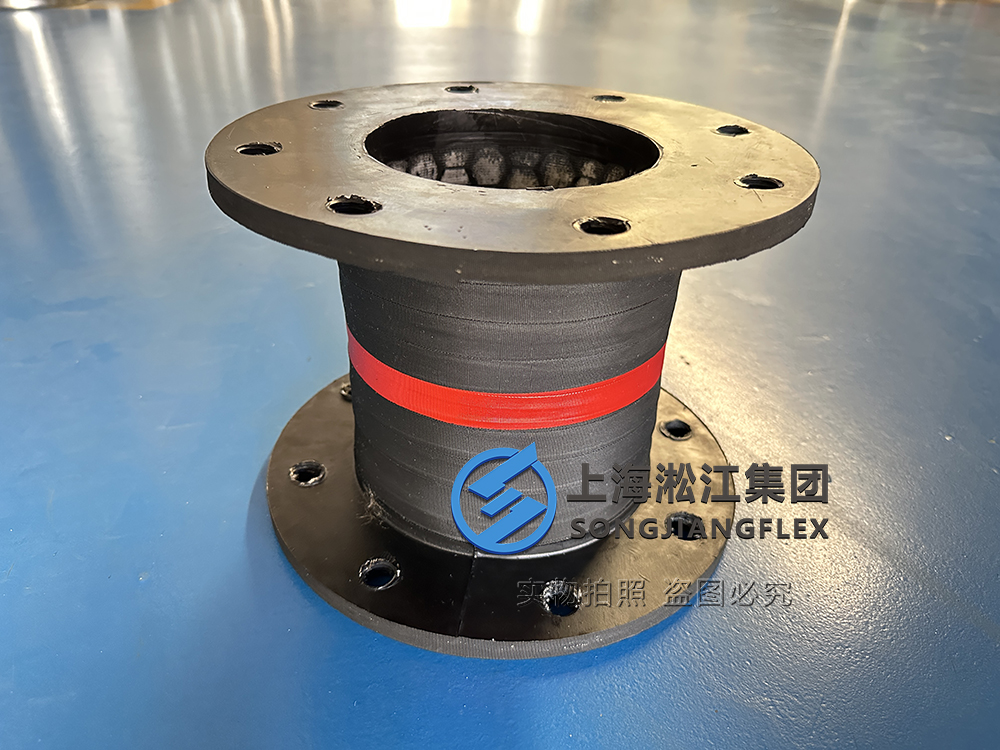
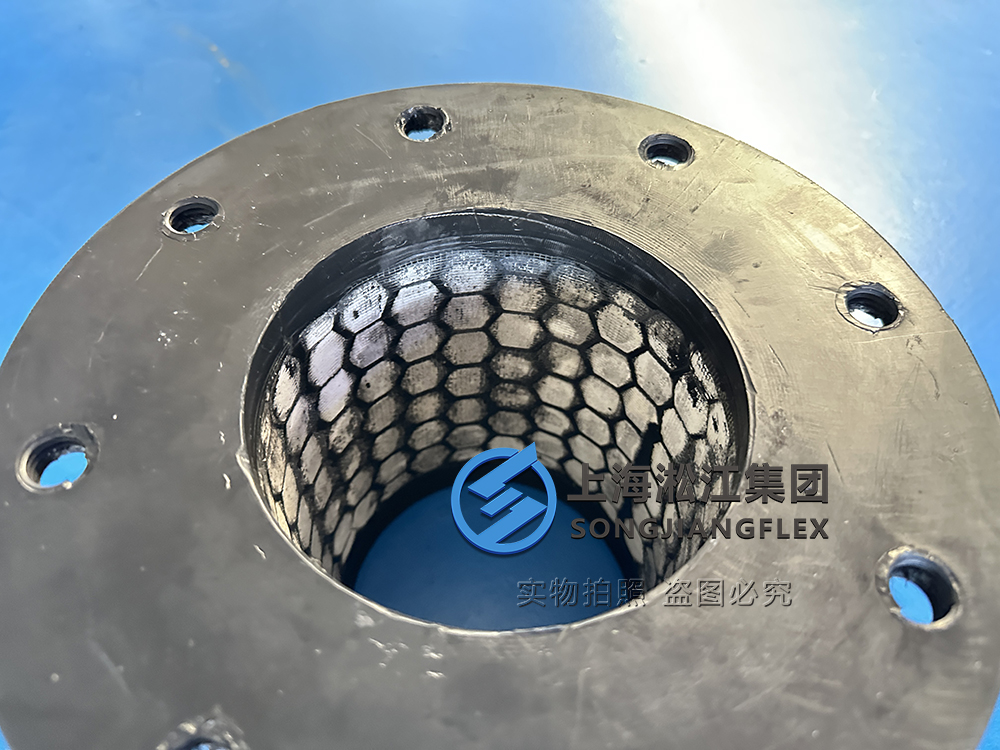
The Ceramic Lined Rubber Expansion Joint is a flexible pipe connector specially designed for highly abrasive slurry and particle-handling systems. A wear-resistant ceramic lining is integrated into the internal flow surface, providing excellent abrasion and erosion resistance while maintaining the flexibility, vibration isolation, noise reduction, and movement compensation of a conventional rubber expansion joint.
It is ideal for mining slurry, tailings, fly ash, limestone slurry, cement slurry, FGD systems, and chemical slurry pipelines, helping protect the rubber body, reduce maintenance frequency, and extend service life.
Why Use a Ceramic Lined Rubber Expansion Joint for Abrasive Slurry Pipelines?
Industrial pipelines handling slurry, ash, mineral particles, cement, limestone, and chemical suspensions often operate under extremely abrasive conditions. Conventional rubber expansion joints provide excellent flexibility and vibration isolation, but continuous particle erosion can gradually wear away the inner rubber surface.
A Ceramic Lined Rubber Expansion Joint combines the flexibility of a rubber expansion joint with the outstanding abrasion resistance of industrial ceramics. It is specially designed for pipelines where wear resistance, erosion protection, vibration absorption, movement compensation, and extended service life are all important.
This hybrid construction makes ceramic lined flexible joints particularly suitable for mining, mineral processing, thermal power plants, FGD systems, cement plants, steel mills, coal handling systems, and chemical slurry transportation.
The primary advantage is wear resistance.
The ceramic lining creates a highly wear-resistant internal surface that protects the rubber body against abrasive particles. At the same time, the rubber expansion joint maintains its ability to isolate vibration, reduce noise, and compensate for pipeline movement.
This combination is particularly useful for slurry pumps, mining pipelines, FGD systems, fly ash pipelines, cement plants, and other applications where both abrasion resistance and flexibility are required.
It can provide good corrosion resistance in many chemical slurry applications, but chemical compatibility must be evaluated individually.
The ceramic lining, rubber compound, bonding system, and other wetted components must all be compatible with the process medium.
For example, an EPDM-based construction may be appropriate for certain water-based acidic or alkaline slurry systems, while NBR may be more appropriate for certain oil-containing media.
For strong acids, strong alkalis, solvents, highly concentrated chemicals, or elevated temperatures, customers should provide the exact chemical name, concentration, temperature, and pressure for engineering review.
High-alumina ceramic is commonly considered because it provides excellent hardness and abrasion resistance and is widely used in mining, cement, power-generation, slurry, and bulk-material handling systems.
However, alumina is not automatically the best choice for every application. Zirconia-containing ceramics may be considered where additional toughness is required, while silicon carbide may be evaluated for particularly demanding chemical or temperature conditions.
This is one of the most important engineering considerations.
A rubber expansion joint must remain flexible, while conventional ceramic is rigid. Therefore, the ceramic lining cannot simply be designed like the continuous rigid lining of a straight steel pipe.
The ceramic arrangement, segment geometry, spacing, bonding method, movement zone, and expansion joint structure must be designed so that the required joint movement can occur without creating excessive stress on the ceramic.
For this reason, required axial, lateral, and angular movements should always be provided before manufacturing.
Yes, this is one of its important potential applications.
Slurry pump discharge pipelines combine vibration, pulsation, turbulent flow, and abrasive particle transportation. A properly engineered ceramic lined rubber expansion joint can help isolate pump vibration while protecting the internal rubber surface against abrasive slurry.
However, operating pressure, slurry velocity, particle size, solid concentration, required movement, and pump operating characteristics should be evaluated before final selection.
Potentially yes, but vacuum conditions must be considered.
Pump suction lines may operate under negative pressure. A standard flexible rubber body can deform or collapse if it is not designed for the required vacuum.
Depending on the actual negative pressure, the joint may require vacuum reinforcing rings, internal support structures, or a specially reinforced carcass design.
Always provide the minimum operating pressure or maximum vacuum when requesting a ceramic lined joint for pump suction service.
No wear-resistant material should be described as completely wear-proof.
Ceramic lining significantly improves resistance to abrasive and erosive wear, but actual service life depends on particle hardness, particle size, slurry concentration, flow velocity, impact angle, operating pressure, temperature, chemical composition, and installation conditions.
The objective is to substantially reduce wear and extend service life compared with an unprotected rubber flow surface under the same severe operating conditions.
What Is a Ceramic Lined Rubber Expansion Joint?
A Ceramic Lined Rubber Expansion Joint is a specially engineered flexible pipe connector incorporating a wear-resistant ceramic layer on the internal flow surface.
Its basic working concept can be described as:
Abrasive Medium → Ceramic Wear Layer → Reinforced Rubber Body
The ceramic lining protects the rubber body from direct contact with abrasive particles, while the reinforced rubber structure continues to provide the flexibility required to absorb vibration and accommodate pipeline movement.
High-alumina ceramic materials are widely used in industrial wear-protection systems because of their extremely high hardness and resistance to abrasive particle flow. Ceramic linings are commonly applied in slurry pipelines, cyclones, chutes, pneumatic conveying systems, mining equipment, cement plants, and power-generation facilities.
At the same time, rubber expansion joints are widely used to isolate pump vibration and accommodate axial, lateral, and angular movements in piping systems.
Combining these two technologies provides an effective flexible connection solution for severe abrasive pipeline applications.
Excellent Abrasion and Wear Resistance
The most important advantage of a Ceramic Lined Rubber Expansion Joint is its excellent wear resistance.
High-alumina ceramic is widely used for severe industrial abrasion protection because of its very high hardness. Some industrial alumina lining systems reach approximately Mohs hardness 9, making them highly suitable for slurry and particle-conveying applications.
A Long-Life Flexible Solution for Abrasive Pipeline Systems
A Ceramic Lined Rubber Expansion Joint combines two important engineering functions in one component:
the outstanding wear resistance of industrial ceramic + the flexibility and vibration isolation performance of reinforced rubber.
It is especially suitable for pipelines handling mineral slurry, tailings, fly ash, coal slurry, limestone slurry, gypsum slurry, cement slurry, abrasive wastewater, and selected chemical suspensions.
For mining plants, thermal power stations, FGD systems, cement factories, steel plants, and chemical processing facilities, this composite design can provide an effective solution where conventional flexible joints experience premature wear.
For accurate product selection, please provide the pipe diameter, pressure, temperature, medium composition, particle size, solids concentration, flow velocity, required movement, flange standard, and vacuum conditions.
Contact us with your pipeline operating conditions, drawings, or technical datasheet. We can evaluate the appropriate rubber compound, ceramic lining, reinforcement structure, flange configuration, pressure rating, and movement capability according to your application.