Why Vibration Control Is Critical for FPV Drones
FPV drones and racing quadcopters operate at high speeds with agile movements. While this offers exciting performance, it also generates significant vibration that can affect flight stability and video quality.
Sources of Vibration in FPV Systems
FPV drones experience vibration from multiple sources:
-
High-speed brushless motors
-
Rapid propeller rotation
-
Frame resonance during aggressive maneuvers
-
Impacts during flight
These vibrations can reach sensitive components like flight controllers and cameras.
Effects of Vibration on FPV Performance
Without proper damping, vibrations may cause:
-
Shaky FPV video footage
-
Distortion or “jello effect”
-
Unstable sensor data for flight controllers
-
Increased mechanical wear on components
For competitive and freestyle FPV pilots, maintaining stability is essential for performance and safety.
Vibration Isolation in FPV and Action Camera Mounts
FPV drones often integrate vibration isolation in key mounting points, including:
-
Flight controller plates
-
Camera mounting brackets
-
GoPro or action camera mounts
-
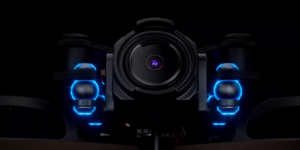
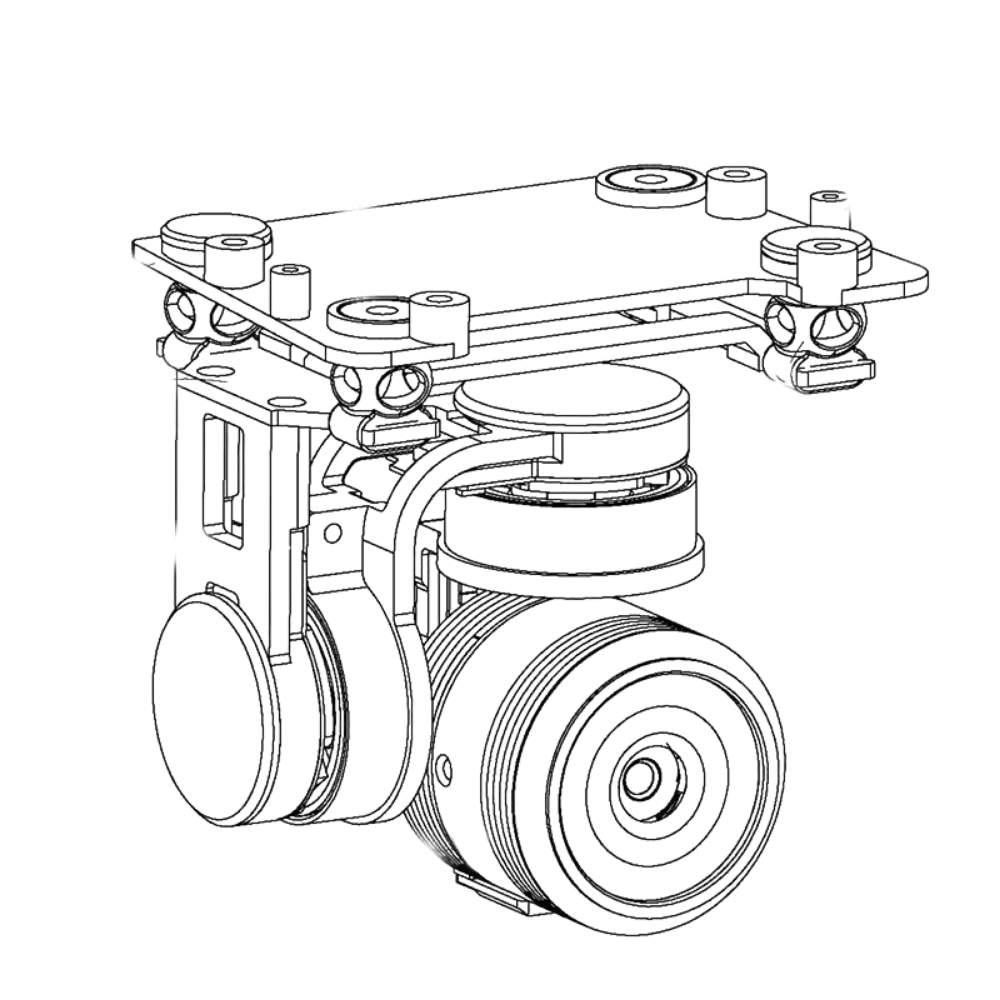
Brushless gimbal stabilization systems
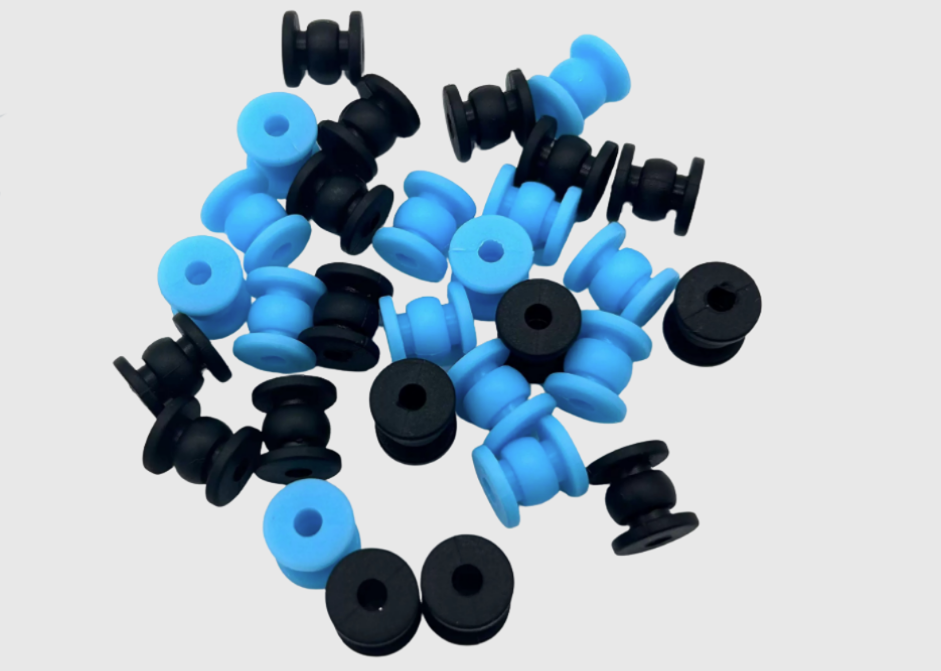
Silicone anti-vibration balls are widely used due to their flexible structure and reliable damping performance.
Applications Across Drone and Camera Systems
These vibration control solutions are essential for:
-
FPV racing drones
-
Freestyle quadcopters
-
Action camera mounting systems
-
Brushless gimbal stabilizers
-
Small multi-rotor drones
Effective isolation ensures smoother operation and high-quality video capture.
Advantages of Silicone Damping Components
Silicone vibration dampers provide:
-
High elasticity for effective vibration absorption
-
Lightweight design suitable for FPV drones
-
Durable performance under repeated stress
-
Compatibility with various drone configurations
These properties make silicone damping components ideal for modern FPV applications.