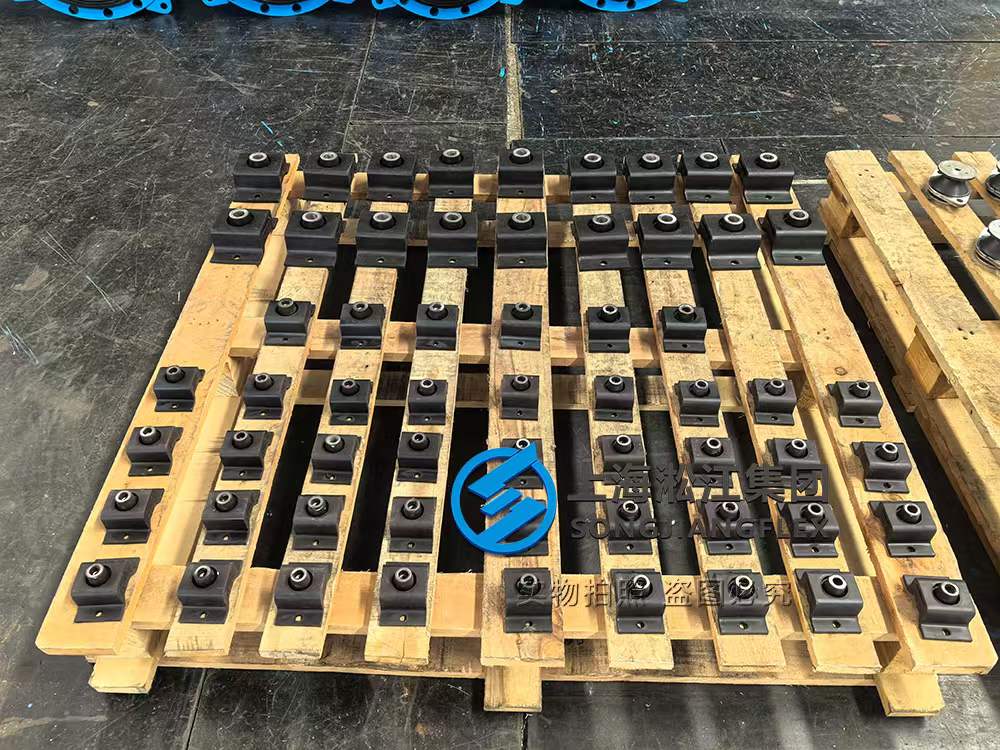
Marine machinery operates under demanding conditions where continuous vibration and structural noise can affect equipment reliability, crew comfort, and vessel performance. Whether installed on commercial cargo ships, offshore platforms, naval vessels, passenger ferries, or research ships, vibration-sensitive equipment requires an effective isolation solution.
The BE Type Rubber Vibration Isolator is specifically designed to reduce the transmission of vibration from machinery to the ship structure, helping improve operational stability and extend equipment service life.
What Is a BE Type Rubber Vibration Isolator?
A BE Type Rubber Vibration Isolator combines high-quality elastomeric materials with durable metal components to create an efficient vibration isolation system. By absorbing and dissipating vibration energy, it minimizes the transfer of mechanical forces to the vessel structure and reduces structure-borne noise.
The result is smoother equipment operation, lower maintenance requirements, and enhanced protection for critical marine systems.
Common Marine Equipment Applications
Marine Propulsion and Power Generation Systems
- Low-speed marine diesel engines
- Medium-speed propulsion engines
- High-speed auxiliary engines
- Emergency generator sets
- Marine gensets
- Hybrid propulsion power units
- Auxiliary power modules
Marine Pumping Systems
- Ballast water pumps
- Bilge pumps
- Seawater cooling pumps
- Freshwater circulation pumps
- Fuel transfer pumps
- Lubricating oil pumps
- Hydraulic oil pumps
- Firefighting pumps
- Vacuum pumps
- Condensate pumps
HVAC and Ventilation Equipment
- Marine air conditioning units
- Chilled water systems
- Refrigeration compressors
- Cold storage equipment
- Axial flow fans
- Centrifugal blowers
- Engine room ventilation fans
- Exhaust air systems
Deck Machinery
- Anchor windlasses
- Mooring winches
- Hydraulic winches
- Deck cranes
- Cargo handling systems
- Fishing net hauling equipment
- Hydraulic power packs
Marine Electrical and Electronic Equipment
- Navigation cabinets
- Radar equipment cabinets
- Communication systems
- Marine server racks
- Power distribution panels
- Automation control cabinets
- Monitoring and instrumentation platforms
Offshore and Special-Purpose Equipment
- Offshore drilling platform machinery
- FPSO support systems
- Offshore wind installation vessels
- Oceanographic monitoring equipment
- Deep-sea exploration systems
Key Benefits of BE Rubber Vibration Isolators
Reduce Structure-Borne Vibration
Rotating machinery generates dynamic forces that can spread throughout the vessel. Proper vibration isolation significantly reduces vibration transmission into decks, bulkheads, and supporting structures.
Improve Noise Control
Vibration and noise are closely related. Effective vibration isolation helps reduce machinery noise, contributing to a quieter and more comfortable onboard environment.
Protect Critical Equipment
Continuous vibration can lead to:
- Bolt loosening
- Premature bearing wear
- Pipe fatigue failures
- Electrical connection problems
- Instrument calibration drift
BE Rubber Vibration Isolators help mitigate these risks and improve long-term reliability.
Extend Equipment Service Life
Reducing vibration-related stress can significantly increase the lifespan of engines, pumps, fans, electrical systems, and supporting structures.
Why Is Vibration Isolation Becoming More Important in Modern Shipbuilding?
Modern shipowners and shipyards are increasingly focused on:
- Vibration Isolation
- Marine Noise Reduction
- Machinery Protection
- Equipment Reliability
- Shock Absorption
- Structural Noise Control
- Crew Comfort
- Predictive Maintenance
As marine standards continue to evolve, vibration isolation has become an essential component of efficient vessel design.
Frequently Asked Questions
Can BE Rubber Vibration Isolators Be Used on Existing Ships?
Yes. Many vessel retrofit projects incorporate vibration isolation upgrades to address excessive noise and vibration issues. BE Rubber Vibration Isolators can often be integrated into existing machinery foundations with minimal modifications, making them a practical solution for modernization projects.
Are Rubber Vibration Isolators Suitable for Marine Environments?
Marine-grade rubber isolators are engineered to withstand challenging environments, including humidity, salt-laden air, temperature fluctuations, and long-term mechanical loading. Properly selected isolators can provide reliable performance for many years.
Which Equipment Benefits Most from Vibration Isolation?
Equipment with rotating or reciprocating motion typically benefits the most. Diesel engines, generator sets, pumps, compressors, fans, and hydraulic systems are among the most common applications where vibration isolation can significantly improve performance and reliability.
How Is the Correct Isolator Selected?
Selection is based on equipment weight, center of gravity, operating speed, excitation frequency, installation layout, environmental conditions, and project requirements. Professional engineering evaluation helps ensure optimal vibration isolation performance.
Contact Us
Shanghai Songjiang Vibration Absorber Co., Ltd.
Website: https://shsjflex.com
Email: [email protected]
We provide professional vibration isolation solutions for marine equipment, offshore applications, and customized engineering projects worldwide.