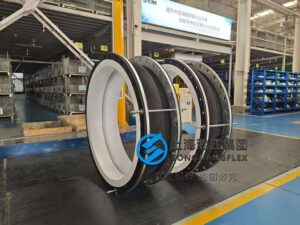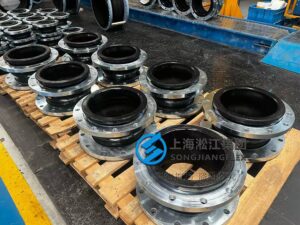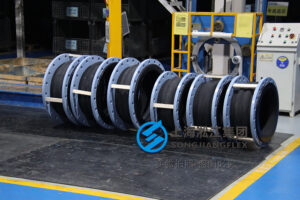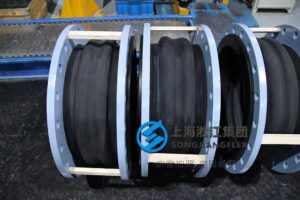
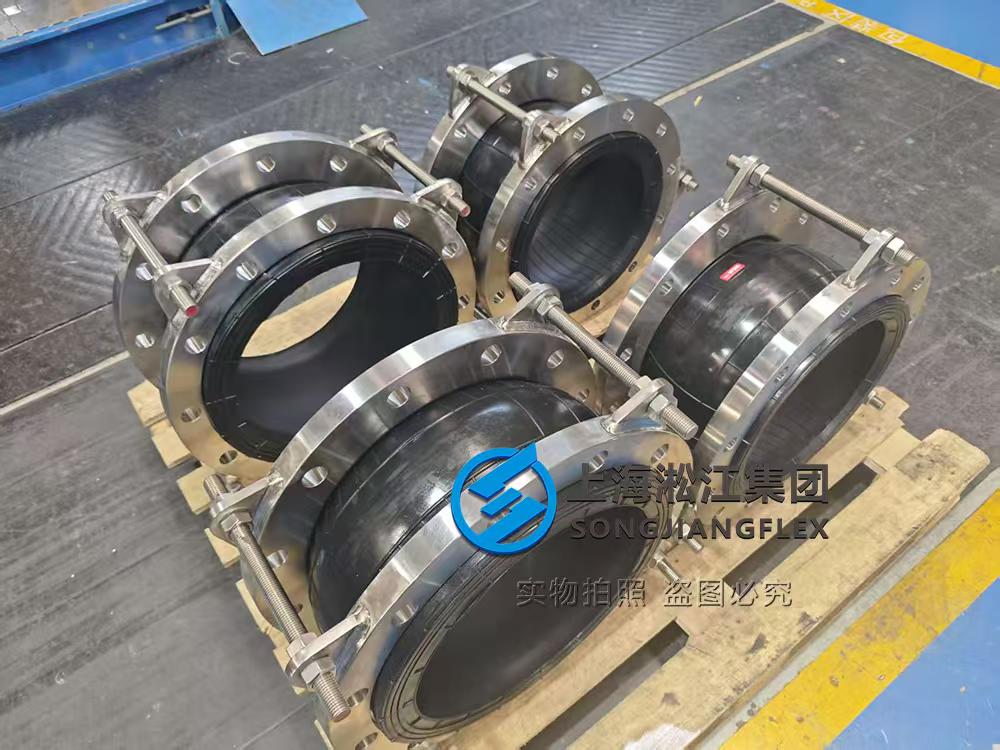
In modern industrial piping systems, vibration, thermal expansion, pressure fluctuations, and equipment movement are unavoidable challenges. A Stainless Steel ANSI Control Unit Rubber Expansion Joint is specifically engineered to absorb these movements while protecting pumps, valves, pipelines, and rotating equipment from excessive stress. Compared with standard rubber expansion joints, the integrated stainless steel control rods effectively limit excessive axial extension, making them ideal for high-pressure and safety-critical applications.
Whether installed in HVAC systems, power plants, petrochemical facilities, marine engineering, desalination plants, mining operations, or municipal water treatment projects, ANSI restrained rubber expansion joints significantly improve system reliability while reducing maintenance costs.
What Is a Stainless Steel ANSI Control Unit Rubber Expansion Joint?
A Stainless Steel ANSI Control Unit Rubber Expansion Joint consists of:
- High-strength EPDM, NBR, Neoprene, Viton, or Natural Rubber body
- Multiple layers of synthetic fabric reinforcement
- High-tensile steel wire reinforcement
- ANSI Class 150 or Class 300 stainless steel flanges
- Stainless steel control rods, nuts, washers, and limit assemblies
The control unit is designed to prevent excessive elongation caused by internal pressure thrust while still allowing controlled movement for thermal expansion and vibration isolation.
This makes the joint particularly suitable for systems where equipment protection and pipeline safety are equally important.
Equipment Applications Across Different Industries
These restrained rubber expansion joints are widely installed on:
HVAC & Building Services
- Centrifugal chillers
- Air-cooled chillers
- Cooling towers
- Plate heat exchangers
- Primary chilled water pumps
- Secondary circulation pumps
- Condenser water pumps
- Booster pump skid packages
- Variable speed pump systems
- District cooling networks
Water & Wastewater Treatment
- Split-case centrifugal pumps
- Vertical turbine pumps
- RO high-pressure pumps
- Ultrafiltration systems
- Chemical dosing skids
- Sludge transfer pumps
- Clarifier inlet pipelines
- Backwash pump stations
- Seawater intake systems
- Desalination membrane systems
Oil & Gas
- Fire water pump packages
- Crude oil transfer pumps
- Produced water pipelines
- Chemical injection skids
- Cooling water circulation systems
- Offshore platform piping
- FPSO utility pipelines
- Compressor discharge lines
- Fuel oil transfer systems
Marine & Shipbuilding
- Marine cooling systems
- Ballast water treatment systems
- Engine seawater cooling pumps
- Bilge pumping systems
- Firefighting piping
- Generator cooling circuits
- Ship HVAC systems
Industrial Manufacturing
- Paper mill stock pumps
- Steel plant cooling systems
- Mining slurry circulation
- Food processing pipelines
- Pharmaceutical purified water systems
- Semiconductor ultrapure water systems
- Chemical reactors
- Compressor cooling loops
Why Are Stainless Steel Control Rods Important?
Without limit rods, internal pressure may generate significant thrust forces that can overstress anchors or cause excessive axial movement.
The stainless steel control unit:
- Prevents over-extension
- Protects pumps from pipe strain
- Maintains flange alignment
- Improves operational safety
- Reduces maintenance frequency
- Extends service life of connected equipment
- Helps absorb surge-induced movement
- Minimizes risks during unexpected pressure spikes
For systems operating continuously, especially pump discharge lines, control rods provide an additional layer of mechanical protection.
Performance Benefits
A high-quality ANSI restrained rubber expansion joint offers:
- Excellent vibration isolation
- Noise reduction
- Compensation for thermal expansion
- Absorption of lateral, axial, and angular movement
- Corrosion-resistant stainless steel hardware
- Long fatigue life
- Reduced equipment downtime
- Lower lifecycle maintenance costs
- Easy installation and replacement
- High reliability in demanding environments
Semantic Keywords for Better Search Visibility
Industrial buyers often search using related technical terms such as:
- ANSI rubber expansion joint
- restrained rubber expansion joint
- control rod expansion joint
- stainless steel limit rod rubber joint
- pump vibration isolator
- pipeline flexible connector
- EPDM expansion joint
- NBR rubber expansion joint
- pressure thrust restraint
- piping vibration solution
Naturally incorporating these terms improves search relevance while helping engineers find the appropriate solution.
Frequently Asked Questions
Why do some rubber expansion joints require control rods?
Control rods are not simply accessories—they are critical safety components for many pressurized piping systems. During operation, internal pressure generates axial thrust forces that can cause excessive extension if the piping system lacks sufficient anchors. Stainless steel control rods limit this movement, preventing flange separation, protecting nearby equipment, and improving overall pipeline stability. They are especially recommended for pump discharge lines, vertical piping systems, marine installations, and applications subject to pressure surges.
Which rubber material should I select?
Material selection depends entirely on the working media and operating conditions. EPDM performs exceptionally well with water, hot water, HVAC systems, and mild chemicals. NBR offers excellent resistance to petroleum products, lubricating oils, and fuels. Neoprene provides balanced resistance to weather, ozone, and seawater, making it suitable for marine applications. Viton is recommended for aggressive chemicals and elevated temperatures. Choosing the proper elastomer ensures maximum service life while minimizing maintenance and unexpected failures.
Can these joints reduce vibration from pumps?
Yes. Rubber expansion joints are specifically designed to isolate vibration generated by rotating equipment such as centrifugal pumps, compressors, chillers, cooling towers, and HVAC systems. They help prevent vibration from transferring into the piping network, reducing noise levels and protecting sensitive equipment, valves, and welded pipe connections from fatigue damage over long periods of operation.
Are ANSI Class 150 and Class 300 both available?
Yes. Most industrial projects specify ANSI Class 150 or ANSI Class 300 flanges depending on system pressure requirements. Stainless steel flanges and hardware are available in different material grades, including SS304 and SS316, to satisfy various corrosion resistance requirements. Custom drilling standards and special pressure ratings can also be manufactured according to project specifications.
Contact Us
Our company’s new website is now live, featuring the latest product introductions. For more details, please visit https://shsjflex.com/
Email: [email protected]