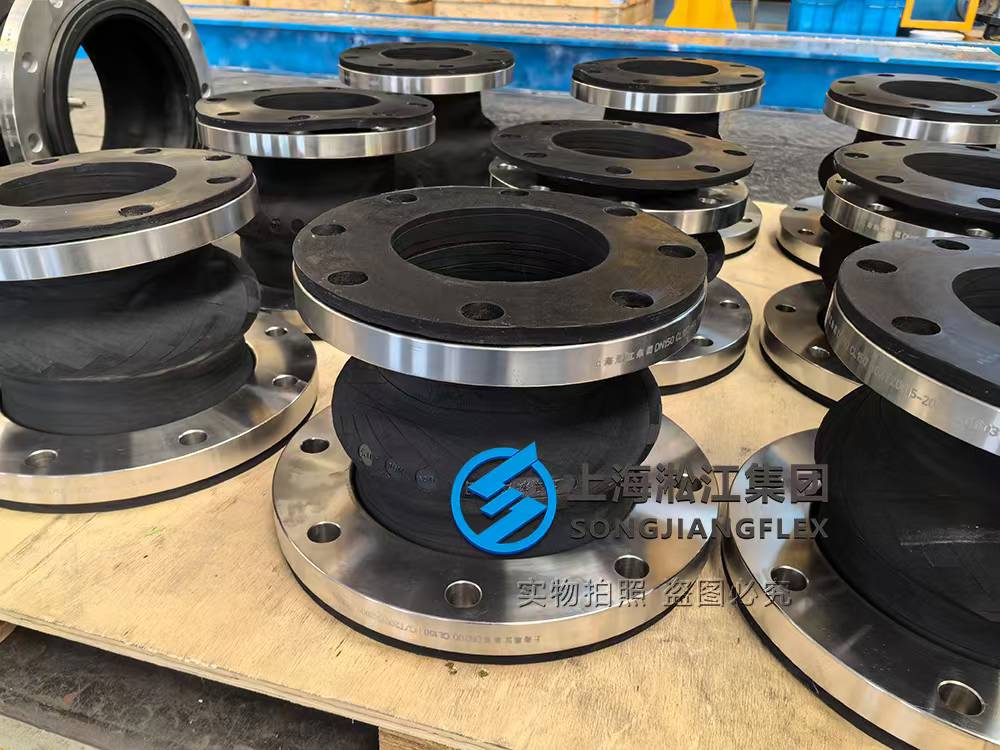
Industrial piping systems often face challenges such as vibration, noise, thermal expansion, and pipe size transitions. A Concentric Reducer Rubber Expansion Joint is specifically designed to connect different pipe diameters while providing excellent vibration isolation, movement compensation, and pipeline protection. It has become an important component in marine, power generation, HVAC, mining, and petrochemical industries.
What Is a Concentric Reducer Rubber Expansion Joint?
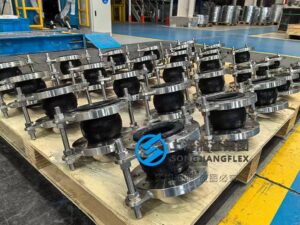
A Concentric Reducer Rubber Expansion Joint is a flexible connector with different flange sizes on each end while maintaining the same centerline. It is manufactured using multiple layers of high-strength synthetic fabric and rubber compounds, providing excellent flexibility and durability.
Main functions include:
- Vibration isolation
- Noise reduction
- Thermal expansion compensation
- Axial, lateral, and angular movement absorption
- Stress relief between equipment and pipelines
- Connection of different pipe diameters
Applications in Marine Equipment
Marine systems experience continuous vibration and movement. Concentric reducer rubber expansion joints help protect both equipment and piping systems.
Typical applications include:
- Marine diesel engines
- Marine auxiliary engines
- Ship ballast pumps
- Sea water cooling pumps
- Marine fire pumps
- Marine air conditioning systems
- Marine boiler feed pumps
- Ship exhaust gas cleaning systems
- Marine generator sets
- Bilge pumping systems
Applications in Power Plants
Power generation facilities require reliable flexible connections to handle vibration and thermal movement.
Common equipment includes:
- Boiler feed pumps
- Condensate pumps
- Cooling water circulation pumps
- Cooling tower systems
- Desulfurization systems (FGD)
- Steam turbine auxiliary systems
- Heat exchangers
- Water treatment equipment
- Industrial cooling systems
Applications in Mining and Heavy Machinery
Heavy industrial machinery produces significant vibration loads.
Suitable equipment includes:
- Jaw crushers
- Cone crushers
- Impact crushers
- Vibrating screens
- Ball mills
- Rod mills
- Sand washing machines
- Slurry pumps
- Mining dewatering systems
- Aggregate processing plants
Applications in HVAC and Building Services
Modern buildings rely on vibration control to improve comfort and reduce structural noise.
Typical equipment includes:
- Chillers
- Cooling towers
- Air handling units
- HVAC circulation pumps
- Water source heat pumps
- Air source heat pumps
- Data center cooling systems
- Commercial air conditioning systems
What Are the Advantages Over Metal Expansion Joints?
Rubber expansion joints offer several advantages in vibration-sensitive systems.
Benefits include:
- Superior vibration isolation
- Excellent noise reduction
- Corrosion resistance
- Lower maintenance costs
- Easy installation
- Better flexibility
- Protection of pumps and valves
Metal expansion joints may handle higher temperatures, but rubber expansion joints are often the preferred choice for vibration control and noise reduction.
How Do Concentric Reducer Rubber Expansion Joints Improve Equipment Life?
When pumps, compressors, or engines operate continuously, vibration is transmitted into the piping network. Excessive stress can lead to flange leakage, cracked welds, and premature equipment failure.
A properly selected concentric reducer rubber expansion joint absorbs these forces before they damage the pipeline system, helping extend the service life of both equipment and piping components.
Conclusion
A Concentric Reducer Rubber Expansion Joint is an ideal solution for connecting different pipe sizes while providing vibration isolation, movement compensation, and noise reduction. It is widely used in marine engineering, power plants, HVAC systems, mining facilities, and petrochemical industries.
Shanghai Songjiang Vibration Absorber Co., Ltd.
Website: www.shsjflex.com
Email: [email protected]