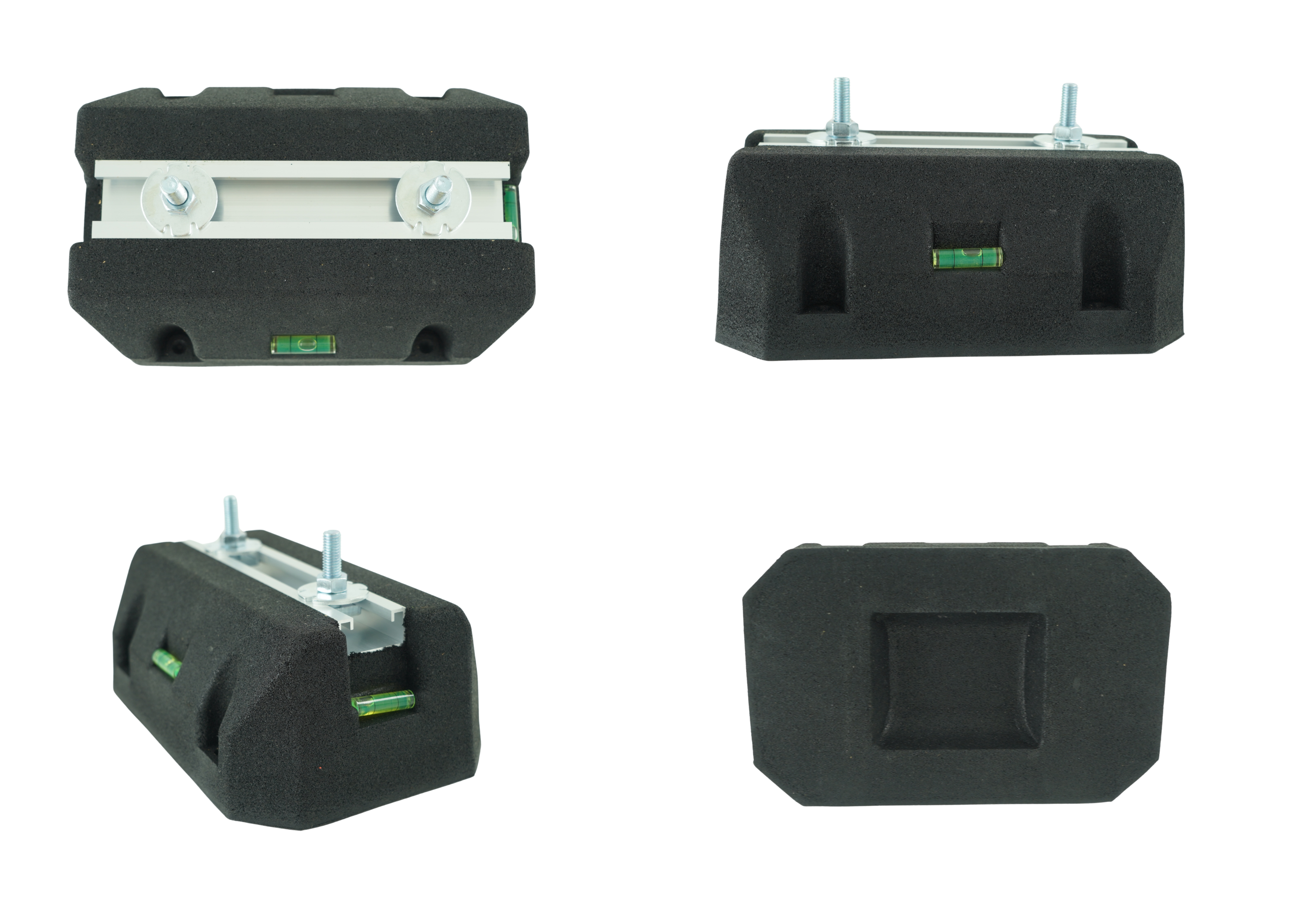
Modern HVAC systems are designed to provide comfort and energy efficiency, but vibration and noise generated by air conditioning equipment remain common concerns in residential, commercial, and industrial environments. Without proper vibration isolation, operational vibrations can transfer into building structures, resulting in excessive noise, equipment instability, and accelerated wear of critical components.
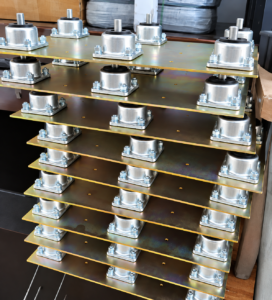
The DJ Rubber Pad is specifically engineered to minimize vibration transmission and reduce structure-borne noise from HVAC and mechanical equipment. Manufactured from environmentally friendly rubber materials compliant with EU ROHS standards, it delivers excellent durability, long-term outdoor performance, and reliable vibration isolation.
Why Is Vibration Isolation Important for HVAC Equipment?
Air conditioning and refrigeration equipment contain compressors, condenser fans, motors, and rotating assemblies that continuously generate vibration during operation. If these vibrations are transmitted directly to rooftops, concrete bases, steel structures, or wall brackets, they may lead to:
- Increased indoor and outdoor noise levels
- Structural resonance in buildings
- Premature wear of compressors and bearings
- Loosening of mounting bolts and pipe connections
- Reduced equipment efficiency
- Increased maintenance costs
- Shortened service life of HVAC systems
Installing DJ Rubber Pads helps absorb vibration energy before it reaches the supporting structure, creating a quieter and more reliable operating environment.
Typical Equipment Applications
Residential Air Conditioning Systems
- Split air conditioner outdoor condenser units (1 HP, 1.5 HP, 2 HP, 3 HP)
- Wall-mounted inverter air conditioner outdoor units
- Floor-standing air conditioner condensing units
- Multi-zone mini-split outdoor units
Commercial HVAC Equipment
- VRF (Variable Refrigerant Flow) outdoor units
- VRV (Variable Refrigerant Volume) systems
- Rooftop packaged air conditioning units (RTUs)
- Air-cooled condensing units
- Commercial heat pump systems
- Chiller condensing units
- Air handling units (AHUs)
Heat Pump Applications
- Air source heat pumps
- Low ambient temperature heat pumps
- Domestic hot water heat pumps
- Swimming pool heat pumps
- Commercial heat recovery heat pump systems
Pump and Mechanical Equipment
- Centrifugal pumps
- Booster pump sets
- Chilled water circulation pumps
- Condenser water pumps
- Vacuum pumps
- Rotary compressors
- Scroll compressors
- Screw air compressors
Power Generation Equipment
- Diesel generator sets
- Standby power generators
- Emergency backup generators
- Industrial blower systems
- Axial fans and centrifugal fans
Key Advantages of DJ Rubber Pads
- Manufactured using ROHS-compliant environmentally friendly rubber materials
- Excellent vibration isolation and noise reduction performance
- Outstanding UV, ozone, and weather resistance for outdoor applications
- Reliable performance at temperatures as low as -40°C
- Adjustable anodized aluminum channel for flexible installation
- High load-bearing capacity for various equipment types
- Anti-slip design enhances operational stability
- Reduces maintenance requirements and extends equipment lifespan
Frequently Asked Questions
1. Can DJ Rubber Pads significantly reduce air conditioner noise?
DJ Rubber Pads primarily reduce structure-borne vibration transmitted from the equipment into the building structure. While they may not eliminate airborne fan noise, they effectively minimize vibration-related noise, often resulting in noticeably quieter operation.
2. Are DJ Rubber Pads suitable for rooftop HVAC installations?
Yes. DJ Rubber Pads are designed for both indoor and outdoor applications. Their excellent weather resistance and anti-aging properties make them ideal for rooftop packaged units, VRF systems, and heat pump installations exposed to harsh environmental conditions.
3. How do vibration isolation pads improve equipment lifespan?
Continuous vibration contributes to bearing wear, loose fasteners, pipe fatigue, and structural stress. By isolating these vibrations, DJ Rubber Pads help reduce mechanical fatigue and improve the overall reliability and longevity of HVAC systems.
4. Can DJ Rubber Pads be used with heat pumps?
Absolutely. Heat pumps operate year-round and often experience prolonged compressor operation. Proper vibration isolation improves system stability, reduces transmitted noise, and protects associated piping systems.
5. Do DJ Rubber Pads require maintenance?
Under normal operating conditions, DJ Rubber Pads require minimal maintenance. Periodic inspection of mounting hardware and visual checks for abnormal wear are generally sufficient to ensure long-term performance.
6. Can customized solutions be provided?
Yes. Customized dimensions, load capacities, and mounting configurations are available to meet specific project requirements and equipment specifications.
Contact Information
Website: https://shsjflex.com
Email: [email protected]