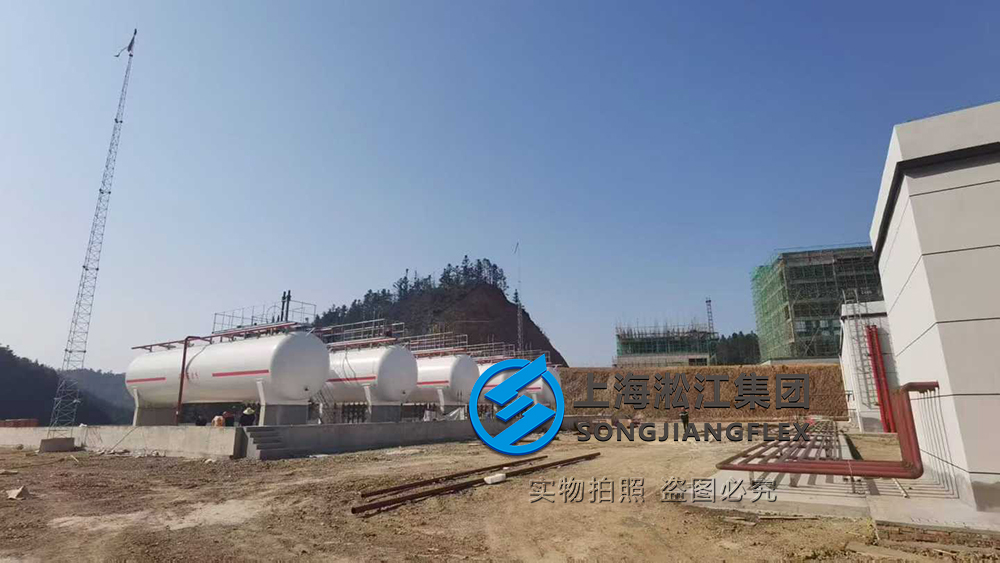
LPG pipeline systems operate under high pressure and temperature fluctuations, causing severe stress that can damage rigid piping and safety systems.
Snippets
Expansion joints are essential components that absorb movement, reduce vibration, and protect LPG pipeline systems from mechanical failure. They improve safety and system durability. Selection depends on pressure, temperature, material compatibility, and installation conditions.
Transition
Now let’s analyze their functions and engineering importance in LPG stations.
What Is the Function of Expansion Joints in LPG Pipeline Systems?
Expansion joints compensate for thermal expansion, vibration, and mechanical movement in LPG pipelines. They reduce stress concentration and protect equipment from damage. In industrial gas systems, they act as flexible connectors that maintain pipeline integrity under dynamic operating conditions.
Where Are Expansion Joints Used in LPG Infrastructure?
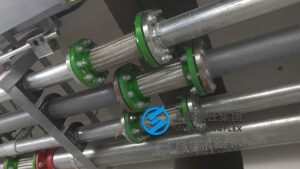
Expansion joints are installed in pump systems, compressor lines, storage tank connections, and transfer pipelines. These locations experience continuous vibration and pressure changes. Proper installation ensures stress isolation and improves operational reliability across the entire LPG station system.
What Types of Expansion Joints Are Common in LPG Projects?
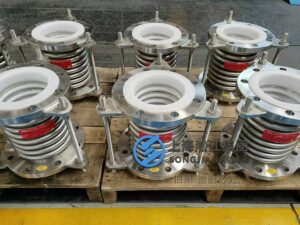
Rubber expansion joints are widely used for vibration control. Metal expansion joints are applied in high-pressure pipelines. PTFE lined expansion joints are used in corrosive environments. Each type is selected based on operating conditions and safety requirements.
Why Is Material Selection Important for LPG Expansion Joints?
Material selection determines resistance to pressure, temperature, and chemical exposure. Rubber materials provide flexibility, metal provides strength, and PTFE offers corrosion resistance. Incorrect material selection may lead to leakage or premature failure in LPG systems.
What Are the Safety Benefits of Using Expansion Joints in LPG Systems?
Expansion joints reduce vibration, prevent pipe stress failure, and minimize leakage risks. They also enhance seismic resistance and protect critical equipment. This significantly improves safety in high-risk LPG environments.
How Should Expansion Joints Be Installed in LPG Stations?
Proper installation requires correct alignment, use of anchors, and avoidance of over-extension. Expansion joints should not be used to correct pipe misalignment. Following engineering standards ensures safe and long-term operation.
What Happens If Expansion Joints Are Not Used in LPG Pipelines?
Without expansion joints, pipelines are exposed to thermal stress and vibration damage. This can lead to flange failure, leakage, and system breakdown. In LPG systems, such failures pose serious safety hazards.
What Is the Expected Service Life of LPG Expansion Joints?
Service life depends on operating conditions and material quality. With proper installation and maintenance, expansion joints can operate reliably for years. Harsh conditions may reduce lifespan, requiring regular inspection.
How to Handle Urgent LPG Project Requirements?
Fast production requires automated manufacturing, strong inventory, and efficient logistics. Customization capability is essential to meet urgent project timelines without compromising product quality.
Why Work with a Professional Expansion Joint Supplier?
Professional suppliers provide engineering support, certified products, and reliable quality control. This ensures safe operation, compliance with standards, and long-term system stability in LPG projects.