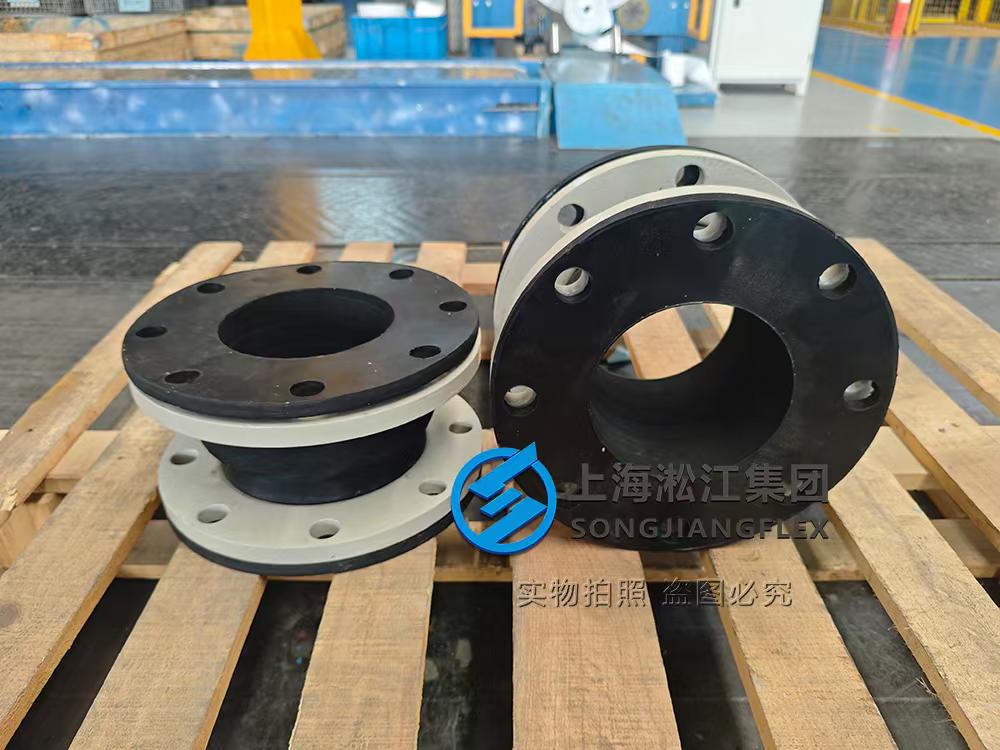
The pulp and paper industry operates under some of the harshest pipeline conditions found in industrial processing. High-consistency pulp, wood chips, recycled fiber slurry, fillers, and abrasive particles continuously flow through piping systems, causing severe wear, vibration, pressure fluctuations, and thermal expansion. Without proper flexibility and vibration isolation, pipeline failures can result in costly shutdowns and increased maintenance expenses.
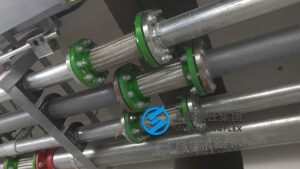
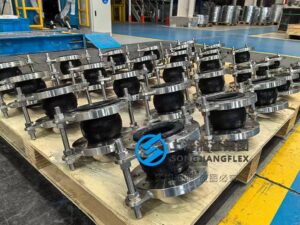
A wear-resistant rubber expansion joint is specifically engineered to solve these challenges by absorbing vibration, compensating for movement, reducing noise, and protecting pumps, valves, and pipelines from excessive mechanical stress. Compared with traditional metal expansion joints, rubber expansion joints provide excellent flexibility while significantly improving resistance to abrasion in pulp transportation systems.
Designed Specifically for Abrasive Pulp Transportation
Unlike clean water systems, pulp processing involves highly abrasive media containing cellulose fibers, fillers, lime, kaolin, calcium carbonate, silica, recycled paper particles, and other solid materials. These materials constantly impact the inner wall of pipelines, gradually causing erosion.
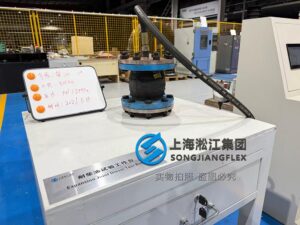
Wear-resistant rubber expansion joints are manufactured using specially formulated abrasion-resistant rubber compounds combined with multiple layers of high-strength synthetic fabric reinforcement. This construction offers excellent resistance to continuous friction while maintaining outstanding flexibility and fatigue resistance.
The expansion joint effectively compensates for:
- Axial movement
- Lateral displacement
- Angular deflection
- Pump vibration
- Pipe misalignment
- Equipment settlement
- Thermal expansion and contraction
- Pressure pulsation
As a result, the entire piping system experiences reduced mechanical stress and a significantly longer service life.
Typical Equipment Used in Pulp and Paper Mills
Wear-resistant rubber expansion joints are widely installed throughout modern pulp production lines, paper mills, recycled paper processing plants, and fiber preparation systems.
Typical applications include:
- High-consistency pulp pumps
- Medium-consistency pulp pumps
- Stock preparation systems
- Hydrapulpers
- Drum pulpers
- Twin-roll pulp washers
- Pressure screens
- Coarse screening systems
- Fine screening systems
- Knotters
- Centrifugal cleaners
- Disc filters
- Vacuum drum filters
- Screw presses
- Belt presses
- Pulp bleaching towers
- Chemical dosing systems
- Black liquor transfer pipelines
- White liquor circulation pipelines
- Paper machine approach flow systems
- Headbox supply pipelines
- Fan pumps
- Machine chest pipelines
- Broke handling systems
- Recycled fiber processing lines
- Reject handling pipelines
- Slurry transfer pumps
- Stock chests
- Agitator discharge pipelines
- Vacuum systems
- Cooling water systems
- Process water circulation systems
These applications demand reliable flexibility while enduring continuous vibration, pressure cycling, and abrasive slurry flow.
Key Advantages for Pulp Mill Operations
Outstanding Abrasion Resistance
The specially developed wear-resistant rubber lining dramatically extends service life when transporting pulp slurry, recycled fibers, fillers, and other abrasive media.
Excellent Vibration Isolation
Large pulp pumps and stock pumps generate continuous vibration. Rubber expansion joints isolate these vibrations before they spread throughout the piping network, helping protect connected equipment and supporting structures.
Noise Reduction
Flexible rubber construction absorbs mechanical vibration and hydraulic shock, significantly lowering operational noise in paper production facilities.
Protection Against Water Hammer
Sudden pump starts, valve closures, and flow changes can create damaging pressure surges. Rubber expansion joints cushion these shocks and reduce stress on the entire pipeline system.
Thermal Expansion Compensation
Long process pipelines experience expansion and contraction due to temperature changes. Rubber expansion joints safely absorb these movements without overstressing flanges or connected equipment.
Reduced Maintenance Costs
By minimizing vibration-induced fatigue, flange stress, and abrasive wear, maintenance intervals become longer while unexpected downtime is reduced.
High-Performance Materials for Harsh Paper Mill Conditions
Material selection is critical because pulp mills transport different media throughout the production process.
Available elastomer options include:
- Natural Rubber (NR) for exceptional abrasion resistance
- EPDM for hot water and chemical resistance
- NBR for oil-containing media
- Neoprene (CR) for weather resistance
- Hypalon® outer cover for harsh outdoor environments
- Food-grade rubber for specialty paper production
- PTFE lining for aggressive chemicals when required
Flanges are available in:
- Carbon Steel
- Stainless Steel 304
- Stainless Steel 316
- Galvanized Steel
- Customized international flange standards including ANSI, DIN, JIS, BS, and EN.
Improve System Reliability Throughout the Entire Process
Modern pulp production relies on continuous operation. Even a short pipeline failure can interrupt the entire manufacturing process.
Installing wear-resistant rubber expansion joints helps improve system reliability by:
- Reducing pump vibration transmission
- Protecting expensive process equipment
- Preventing flange leakage
- Minimizing pipe fatigue
- Compensating installation tolerances
- Extending equipment lifespan
- Lowering maintenance frequency
- Improving operational safety
- Increasing production efficiency
For facilities operating around the clock, these benefits directly translate into lower operating costs and improved productivity.
Frequently Asked Questions
What media are wear-resistant rubber expansion joints suitable for in pulp mills?
They are suitable for transporting pulp slurry, recycled fiber slurry, wood pulp, cellulose suspension, paper stock, lime slurry, kaolin slurry, calcium carbonate slurry, process water, white water, black liquor (with appropriate material selection), cooling water, and many other abrasive process media. Material selection should always be based on temperature, pressure, chemical composition, solids concentration, and operating conditions to maximize service life.
How do wear-resistant rubber expansion joints reduce equipment failure?
Continuous vibration from pulp pumps, agitators, and rotating equipment transfers mechanical stress into the piping network. Over time, this can loosen bolts, crack welds, damage flanges, and shorten pump bearing life. Rubber expansion joints isolate these vibrations and absorb pipeline movement, reducing fatigue loads throughout the system. This significantly lowers maintenance requirements while improving equipment reliability.
Can these expansion joints handle continuous abrasive slurry?
Yes. High-quality wear-resistant rubber compounds are specifically developed for continuous slurry transportation. Combined with multi-layer reinforcement and optimized rubber thickness, they provide excellent resistance to long-term abrasion while maintaining flexibility under repeated movement cycles. Proper material selection and correct installation are essential for achieving the maximum service life.
Can custom sizes and pressure ratings be manufactured?
Absolutely. Wear-resistant rubber expansion joints can be manufactured in customized diameters, face-to-face lengths, pressure classes, flange drilling standards, rubber compounds, reinforcement structures, and movement capabilities. Customized engineering ensures compatibility with both new installations and retrofit projects in pulp and paper mills.
Contact Us
Our company’s new website is now live, featuring the latest product introductions.
For more details, please visit:
Website: https://shsjflex.com/
Email: [email protected]