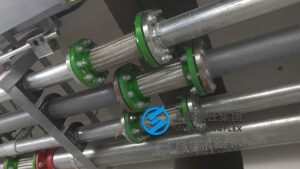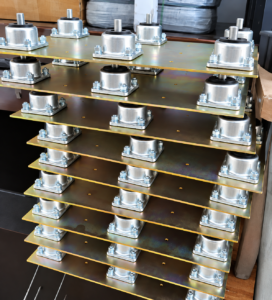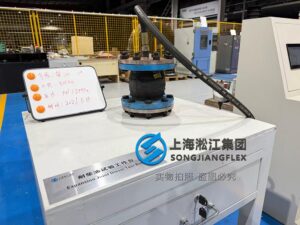
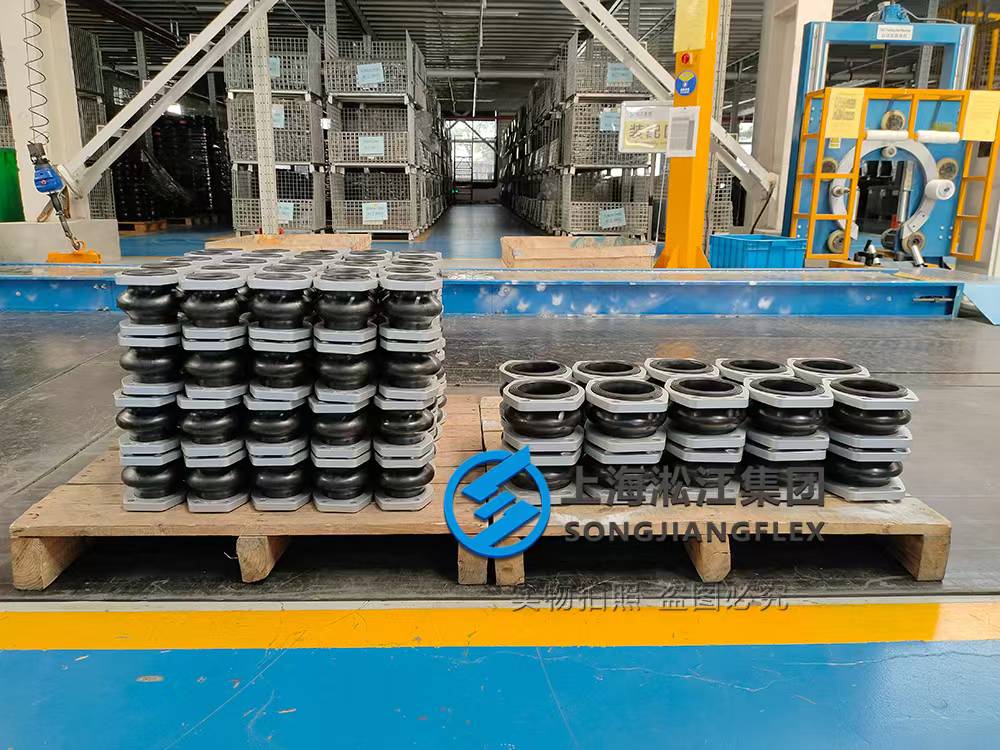
In industrial piping systems that transport petroleum-based fluids, lubricating oils, hydraulic oils, diesel, fuel oil, and mineral oils, vibration, thermal expansion, pump pulsation, and pipeline misalignment are common challenges that directly affect equipment reliability and maintenance costs. Selecting the right flexible connector is essential to ensuring long-term system performance.
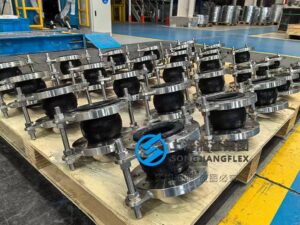
The K16S Series Oil-Resistant Rubber Expansion Joint is specifically engineered for oil-related applications. Manufactured with high-quality NBR (Nitrile Butadiene Rubber), it provides excellent resistance to petroleum products while effectively absorbing vibration, reducing noise, compensating for pipeline movement, and protecting expensive mechanical equipment.
Whether installed in oil refineries, marine engine rooms, hydraulic power units, fuel transfer systems, compressor stations, or industrial lubrication circuits, the K16S Series delivers dependable sealing performance and extended service life.
What Makes the K16S Series Different?
Unlike standard EPDM rubber expansion joints designed primarily for water systems, the K16S Series utilizes premium oil-resistant NBR rubber that maintains its physical properties when exposed to various petroleum-based fluids.
Key advantages include:
- Excellent resistance to hydraulic oil, lubricating oil, diesel fuel, and mineral oil
- Superior vibration isolation for rotating equipment
- Compensation for axial, lateral, and angular movement
- Reduction of pump pulsation and mechanical stress
- Noise attenuation throughout piping networks
- Protection of pumps, valves, heat exchangers, and instrumentation
- Easy installation with minimal maintenance
- Long service life in demanding industrial environments
These characteristics help improve overall plant reliability while reducing downtime and maintenance expenses.
Typical Industrial Applications
The K16S Series is widely used in industries where oil media are continuously transported.
Hydraulic Power Units (HPU)
Hydraulic power packs generate pressure fluctuations and vibration during operation. Installing K16S expansion joints between hydraulic pumps and piping helps absorb pulsation while protecting valves, pressure gauges, accumulators, and servo systems.
Typical equipment includes:
- Hydraulic power units
- Hydraulic presses
- Injection molding machines
- Steel rolling mills
- CNC hydraulic systems
- Marine hydraulic systems
Diesel Generator Fuel Systems
Emergency generators and standby power stations require reliable fuel delivery systems. Flexible connectors isolate engine vibration from rigid pipelines while accommodating thermal expansion.
Common equipment:
- Diesel generators
- Emergency power systems
- Generator fuel transfer skids
- Day tanks
- Fuel filtration units
- Fuel booster pumps
Lubrication Oil Circulation Systems
Large industrial machinery depends on continuous lubrication for safe operation.
Recommended installations include:
- Steam turbines
- Gas turbines
- Compressors
- Gearboxes
- Cement kilns
- Steel plant rolling equipment
- Paper machine lubrication systems
Oil Transfer Pump Stations
Oil transfer pumps generate continuous vibration that can shorten pipeline life.
Typical applications:
- Crude oil transfer pumps
- Diesel loading pumps
- Fuel unloading stations
- Oil terminal facilities
- Tank farm pumping systems
- Petrochemical transfer stations
Marine Engine Rooms
Ships contain numerous oil pipelines serving propulsion and auxiliary equipment.
Suitable marine systems include:
- Main engine fuel lines
- Lubricating oil pipelines
- Hydraulic steering systems
- Ballast pump lubrication circuits
- Marine diesel generator fuel systems
- Offshore platform hydraulic equipment
Why NBR Rubber is Ideal for Oil Applications
NBR rubber is recognized throughout the industrial sector for its excellent compatibility with petroleum products.
Compared with general-purpose rubber materials, NBR offers:
- Outstanding resistance to petroleum oils
- High resistance to hydraulic fluids
- Excellent sealing performance
- Good abrasion resistance
- Stable mechanical properties
- Reliable fatigue performance
- Long-term durability under continuous operation
This makes it the preferred elastomer for flexible connectors used in oil-based process systems.
Semantic Keywords Related to Industrial Oil Piping
Industrial engineers often search for products using application-specific terminology. The K16S Series is closely associated with:
- Oil-resistant rubber expansion joint
- NBR rubber bellows
- Flexible pipe connector
- Anti-vibration connector
- Hydraulic pipeline expansion joint
- Fuel pipeline compensator
- Diesel pipeline flexible joint
- Pump vibration isolator
- Oil transfer flexible connector
- Petroleum pipeline expansion joint
These semantic keywords help engineers locate suitable solutions for demanding industrial projects.
How the K16S Series Protects Industrial Equipment
Pipeline vibration is frequently transmitted directly from pumps, compressors, engines, and hydraulic machinery into connected equipment. Over time this vibration can lead to:
- Premature seal failures
- Cracked welds
- Loose flange bolts
- Bearing wear
- Increased noise levels
- Instrument damage
- Pipeline fatigue cracking
By installing K16S rubber expansion joints at critical locations, vibration energy is absorbed before reaching sensitive equipment. This not only extends equipment life but also reduces unexpected shutdowns and lowers overall maintenance costs.
Frequently Asked Questions
Can the K16S Series be used with diesel fuel and lubricating oil?
Yes. The K16S Series is specifically designed for petroleum-based media such as diesel fuel, hydraulic oil, lubricating oil, mineral oil, gear oil, and many other industrial oils. Its NBR rubber construction provides excellent compatibility with these fluids while maintaining flexibility and sealing performance over extended operating periods. Before selecting the product, it is still recommended to verify the exact oil type, operating temperature, and pressure so the appropriate configuration can be provided.
Is the K16S Series suitable for hydraulic systems?
Absolutely. Hydraulic systems experience continuous pressure pulsation, vibration, and occasional movement caused by pump operation. The K16S Series helps isolate vibration, absorb pressure fluctuations, reduce mechanical stress on piping, and protect sensitive hydraulic components such as pumps, valves, accumulators, and servo controls. This contributes to longer equipment life and improved system reliability.
Where should rubber expansion joints be installed?
The most common installation points include pump suction and discharge lines, compressor outlets, engine connections, heat exchangers, hydraulic equipment, storage tank piping, fuel transfer systems, and locations where thermal expansion or vibration is expected. Proper placement significantly improves vibration isolation and minimizes stress transmitted throughout the piping system.
What information should be provided when selecting a K16S expansion joint?
To ensure the correct product selection, customers should provide the pipe size, flange standard, working pressure, operating temperature, conveyed medium, movement requirements (axial, lateral, and angular), installation length, and any special operating conditions such as vacuum service or continuous vibration. With complete operating data, engineers can recommend the most suitable design for optimal performance and service life.
Contact Us
Our company’s new website is now live, featuring the latest product introductions.
Website: https://shsjflex.com/
Email: [email protected]
Our experienced engineering team is ready to recommend the most suitable oil-resistant rubber expansion joint for your application, ensuring reliable operation, longer equipment life, and reduced maintenance costs.