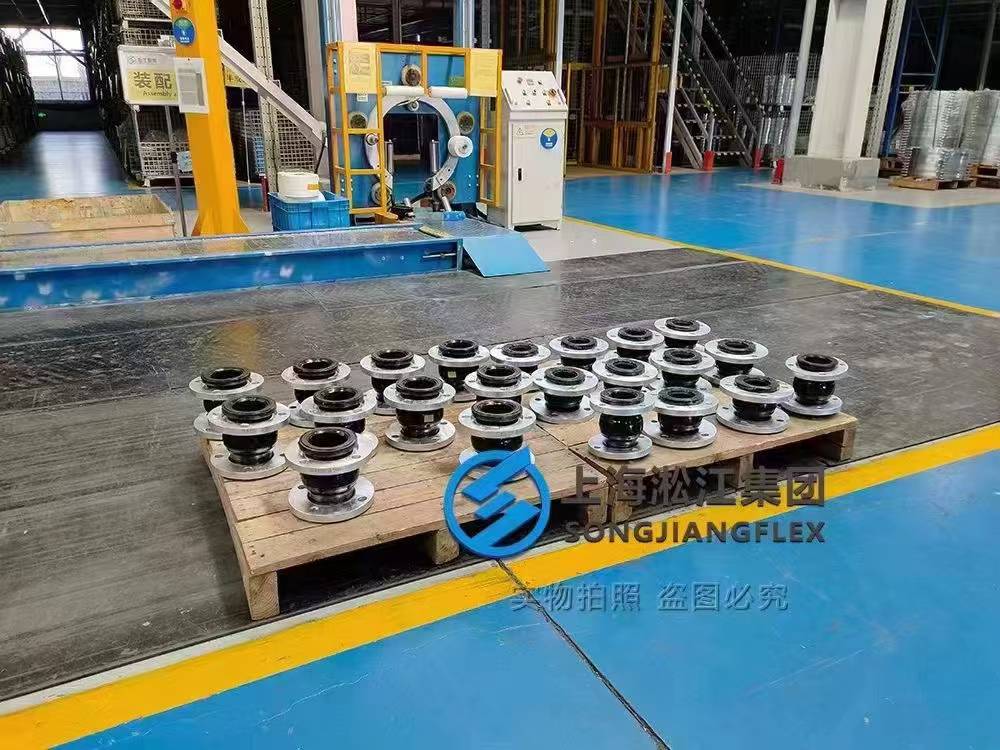
Pipeline reliability directly impacts system performance in water treatment, HVAC, and industrial facilities. Choosing a properly engineered flexible joint can significantly reduce operational risks. The JIS-5K hot-dip galvanized flange rubber expansion joint offers standardized compatibility, corrosion resistance, and vibration control in one integrated solution.
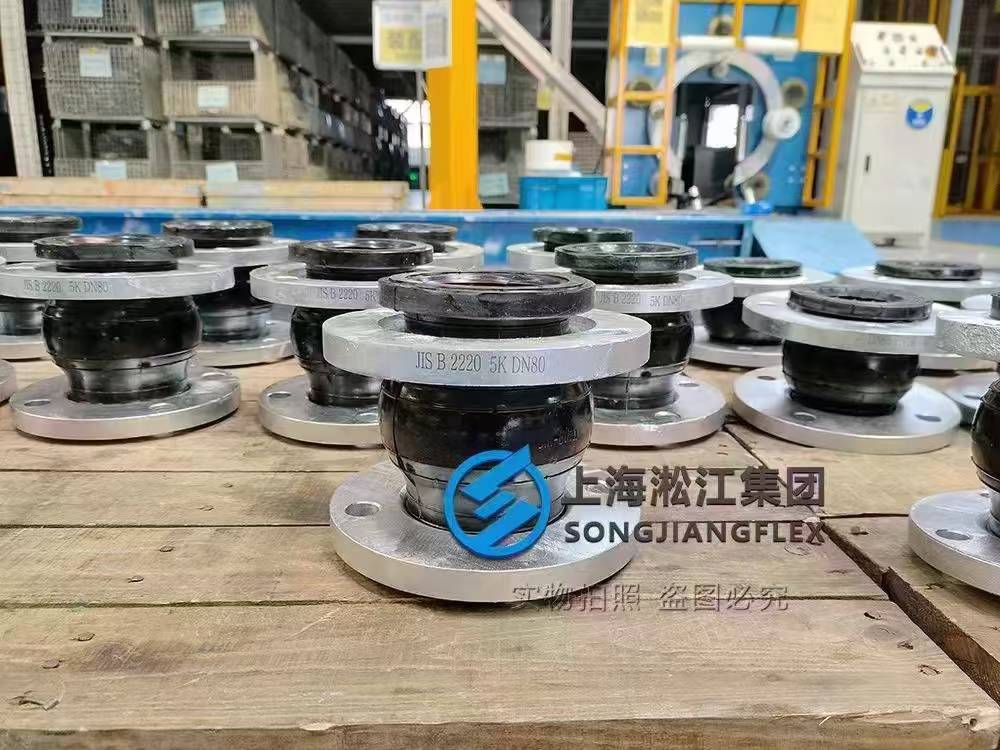
How Is JIS-5K Different from Other Pressure Ratings?
JIS flanges are classified into several pressure grades such as 5K, 10K, and 16K. The 5K rating is primarily designed for low-pressure applications.
Compared with higher ratings, JIS-5K provides:
-
Lower overall system cost
-
Reduced flange weight
-
Easier installation
-
Adequate strength for light-duty systems
For most building and municipal systems, 5K fully satisfies operational requirements.
What Practical Benefits Does Hot-Dip Galvanizing Provide?
In moisture-rich environments, untreated carbon steel flanges are vulnerable to rust. Hot-dip galvanizing significantly delays oxidation by forming a durable zinc coating.
This is particularly advantageous in:
-
Outdoor installations
-
Underground pipe corridors
-
High-humidity mechanical rooms
-
Coastal regions
Improved corrosion resistance directly contributes to longer service life and reduced replacement frequency.
What Engineering Problems Can It Solve?
In real-world applications, common pipeline issues include:
-
Excessive vibration during pump startup
-
Thermal expansion stress
-
Flange misalignment
-
Structural fatigue over time
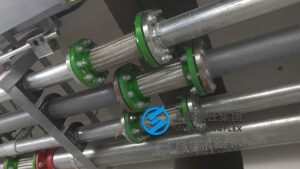
The elastic body of the rubber expansion joint absorbs movement and vibration, protecting both equipment and pipeline structures from long-term mechanical damage.
What Makes Its Structure Reliable?
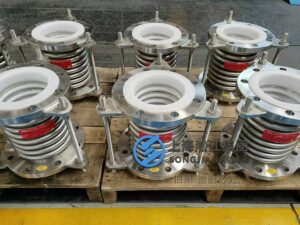
A typical JIS-5K hot-dip galvanized flange rubber expansion joint consists of:
-
Inner layer resistant to media
-
Multiple layers of high-strength fabric reinforcement
-
Outer weather-resistant rubber layer
-
Carbon steel hot-dip galvanized flanges
This composite construction ensures strength, flexibility, and durability under continuous operation.
What Should Buyers Pay Attention To?
During procurement, it is recommended to verify:
-
Strict compliance with JIS flange dimensions
-
Availability of material certifications
-
Customization capability for non-standard sizes
-
Stable delivery time
For export projects, flange drilling accuracy and dimensional tolerance are especially critical to avoid onsite installation issues.
Conclusion
The JIS-5K hot-dip galvanized flange rubber expansion joint delivers standardized compatibility, corrosion resistance, and vibration isolation, making it a dependable choice for low-pressure piping systems.