Pipeline reliability is critical for marine vessels. Continuous vibration, pressure fluctuations, and corrosive seawater can damage rigid piping systems. BFe10-1-1 flanged rubber compensators help solve these problems effectively.
Snippet:
A BFe10-1-1 flanged rubber compensator improves the reliability of ship seawater pipeline systems by absorbing vibration, compensating thermal expansion, and resisting corrosion. It protects pumps, valves, and pipelines while extending the lifespan of marine piping systems.
Flexible pipeline components are essential in modern marine engineering.
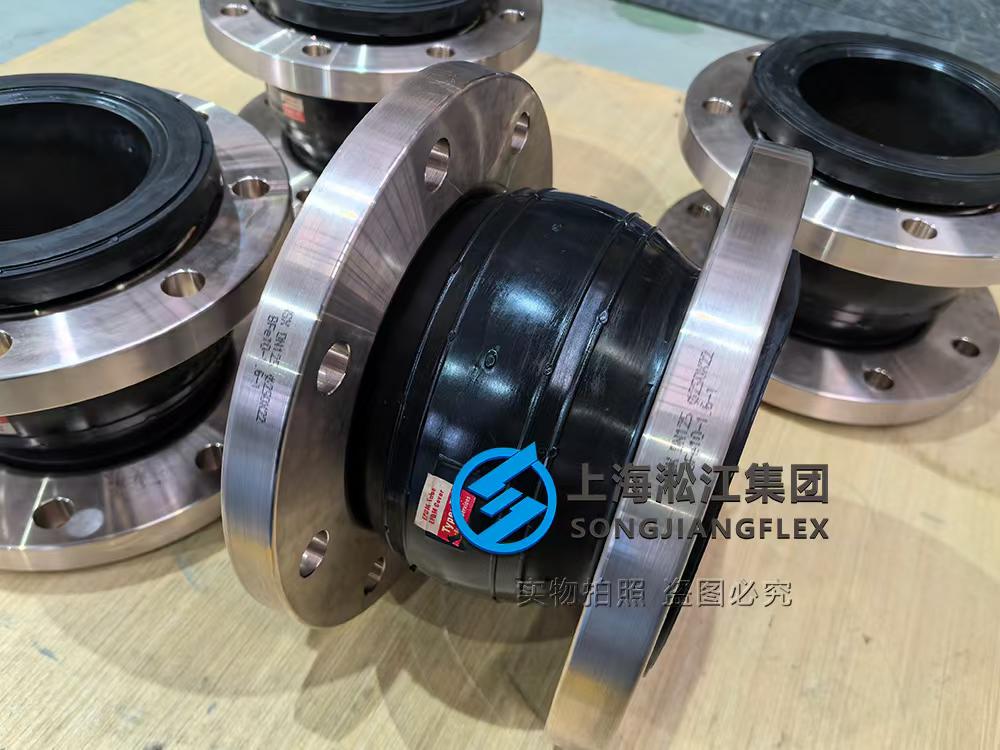
What Is the Structure of a BFe10-1-1 Rubber Compensator?
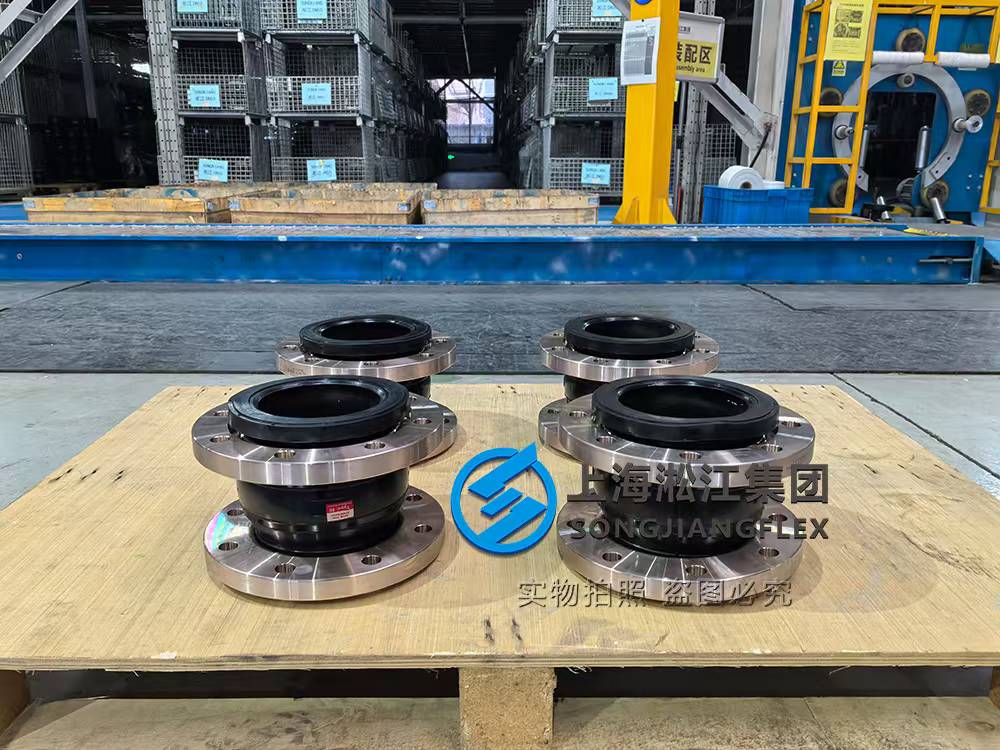
A BFe10-1-1 rubber compensator consists of a multilayer rubber body reinforced with high-strength fabric and connected with corrosion-resistant flanges. The structure allows the joint to withstand pressure while maintaining flexibility.
The rubber body absorbs pipeline movement, while the BFe10-1-1 flanges provide strong and corrosion-resistant connections to the ship’s piping system.
Why Do Ship Seawater Pipelines Require Expansion Compensation?
Seawater pipelines on ships operate under dynamic conditions. Temperature changes cause pipelines to expand and contract, while onboard machinery generates vibration.
Without compensation devices, these stresses may lead to flange deformation, pipeline cracking, or leakage. Rubber compensators provide flexibility that protects the piping system from these stresses.
How Does BFe10-1-1 Improve Corrosion Resistance?
Seawater is highly corrosive to many metals. Standard carbon steel components often suffer rapid corrosion in marine environments.
BFe10-1-1 copper-nickel alloy offers excellent resistance to seawater corrosion and biofouling. When used as flange material in rubber compensators, it significantly enhances the durability and reliability of ship piping systems.
What Are the Advantages of Rubber Expansion Joints Compared with Metal Bellows?
Rubber expansion joints offer several advantages over metal bellows. They provide better vibration isolation, lower noise transmission, and greater flexibility.
They are also easier to install and maintain. In marine environments, rubber expansion joints combined with corrosion-resistant flanges provide a cost-effective and durable solution for seawater pipelines.
What Are the Installation Considerations for Marine Rubber Compensators?
Proper installation is essential for ensuring the performance of rubber expansion joints. The pipeline should be aligned correctly to avoid excessive stress on the joint.
Adequate support and anchors should also be installed to control pipeline movement. Following correct installation procedures helps maximize the lifespan and reliability of the compensator.
What Systems on Ships Commonly Use Rubber Expansion Joints?
Rubber expansion joints are widely used in marine engineering systems such as cooling water systems, ballast water pipelines, desalination plants, and seawater pumps.
Their flexibility and corrosion resistance make them ideal for maintaining safe and stable operation of these critical ship systems.
Summary
BFe10-1-1 flanged rubber compensators improve the safety and reliability of ship seawater pipelines by providing corrosion resistance, vibration isolation, and flexible pipeline compensation.