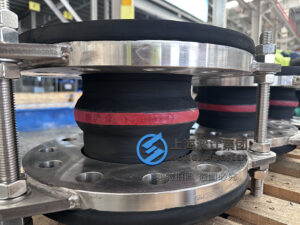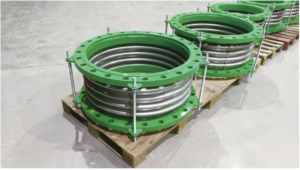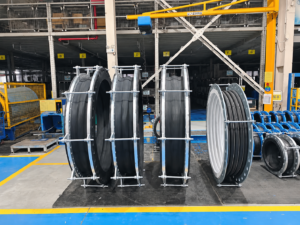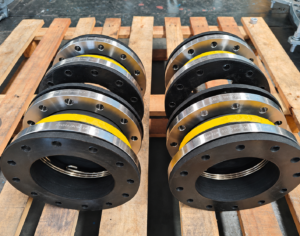
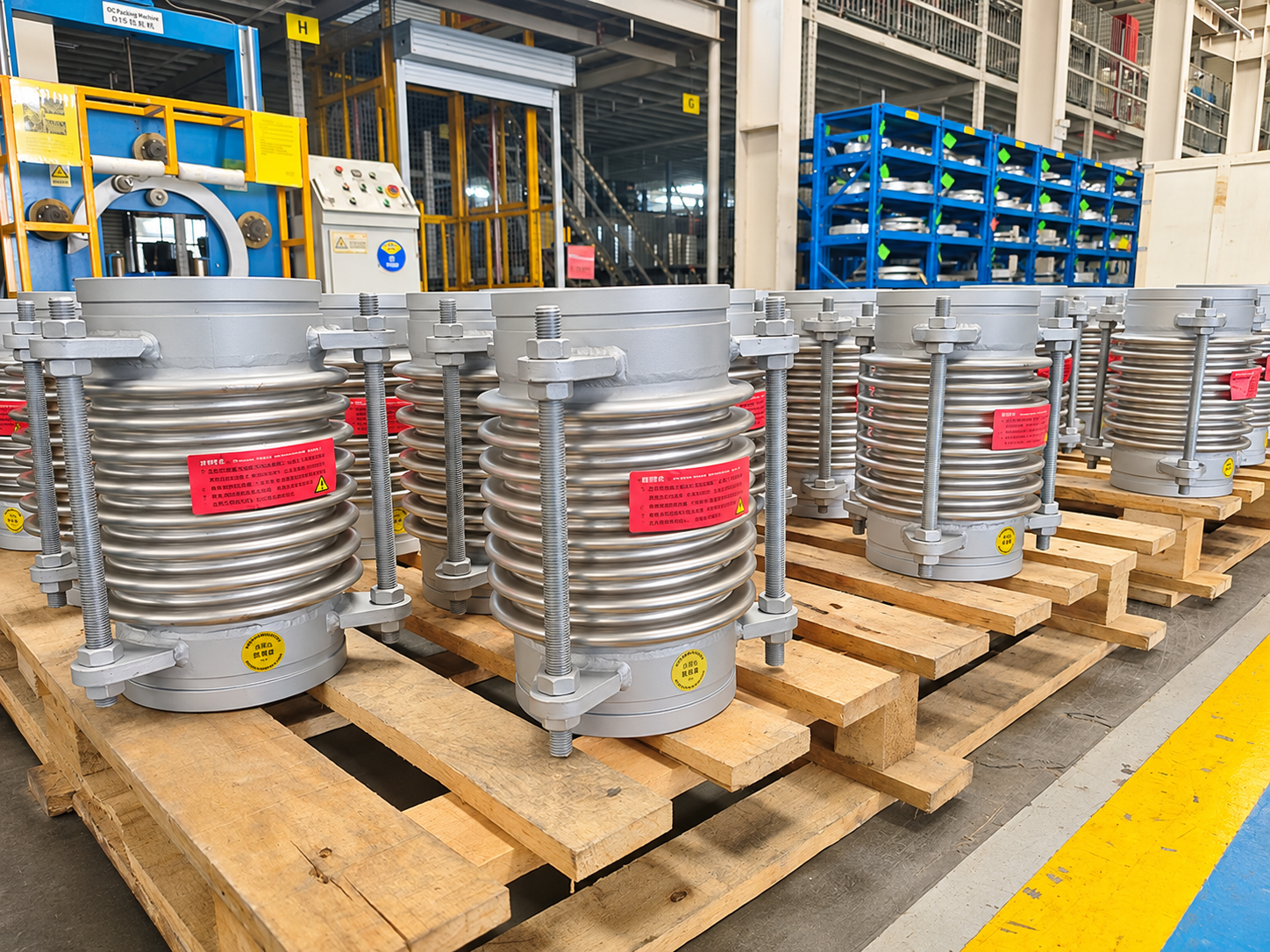
Diesel Engine Exhaust Bellows are stainless steel flexible expansion joints designed to accommodate thermal expansion, contraction, and limited mechanical vibration in industrial exhaust piping systems. Manufactured with SUS304 stainless steel corrugated bellows, these components provide flexibility between rigid pipe sections exposed to repeated heating and cooling cycles.
During diesel engine operation, exhaust piping expands as temperatures increase. Without sufficient flexibility, thermal movement can generate excessive stress at pipe connections, flanges, and equipment interfaces. Stainless steel exhaust bellows help accommodate these movements while maintaining a continuous exhaust gas passage.
Typical applications include industrial diesel generators, marine diesel engines, emergency power generation systems, and stationary engine exhaust pipelines. The corrugated stainless steel structure offers heat resistance and corrosion resistance under suitable operating conditions, making it a practical solution for exhaust systems requiring reliable thermal movement compensation.
Why Choose SUS304 Bellows for Diesel Engine Exhaust Piping?
SUS304 stainless steel bellows are commonly considered for diesel exhaust systems because they combine thermal flexibility with resistance to oxidation and corrosion in suitable exhaust environments.
Unlike rigid exhaust pipe connections, corrugated metal bellows can deform elastically to accommodate specified axial movement and, when properly designed, limited lateral displacement. This helps reduce thermal stress transmitted to connected exhaust piping and equipment.
The material also provides a practical balance between fabrication capability, corrosion resistance, and cost for many industrial applications.
However, the suitability of SUS304 depends on actual exhaust gas temperature, chemical composition, operating pressure, and vibration conditions. Proper bellows geometry, wall thickness, movement capacity, and fatigue design are essential for long-term service. Where exhaust temperatures or corrosive conditions exceed the material’s suitability, alternative stainless steel grades or high-temperature alloys should be evaluated.
Frequently Asked Questions
1. How Do You Select Stainless Steel Bellows for a Diesel Generator Exhaust System?
Selecting stainless steel exhaust bellows requires evaluating pipe diameter, operating temperature, exhaust pressure, thermal expansion, and expected mechanical movement.
Engine operating speed and vibration characteristics should also be considered when determining the required flexibility and fatigue resistance.
The bellows must accommodate the calculated pipe displacement without exceeding its allowable movement or stress limits. Engineers should also verify the installed length, connection type, and available installation space.
For diesel generator exhaust systems, bellows selection should consider both normal operating conditions and transient conditions during engine startup and shutdown.
2. Why Is SUS304 Stainless Steel Used in Diesel Engine Exhaust Bellows?
SUS304 stainless steel is used in many industrial exhaust bellows because it offers good formability, oxidation resistance, and corrosion resistance under suitable operating conditions.
Its austenitic structure allows manufacturers to form thin corrugated sections that accommodate thermal movement.
However, SUS304 is not suitable for every exhaust environment. Elevated temperatures, chloride contamination, acidic condensate, and repeated thermal cycling can affect material performance.
For particularly aggressive exhaust conditions, SUS316L or suitable high-temperature stainless steel grades may be considered, depending on the actual operating environment and engineering requirements.
3. What Temperature and Pressure Can SUS304 Exhaust Bellows Withstand?
The allowable operating temperature and pressure of SUS304 exhaust bellows depend on their structural design, wall thickness, material condition, and applicable design requirements.
SUS304 can withstand elevated temperatures, but the allowable stress of stainless steel generally decreases as temperature increases. Therefore, material temperature capability alone does not establish the pressure rating of a finished bellows assembly.
For diesel exhaust applications, engineers should evaluate continuous operating temperature, maximum transient temperature, exhaust backpressure, and thermal cycling.
The manufacturer’s approved design calculations and technical drawings should determine the final operating limits.
4. How Should Diesel Exhaust Expansion Joints Be Installed to Prevent Damage?
Diesel exhaust expansion joints should be installed in accordance with the approved piping design, with suitable anchors, guides, and supports.
The bellows must not be used to correct significant pipe misalignment unless that displacement is explicitly included in the design.
Installation should avoid excessive axial extension, lateral displacement, and torsional loading. Pipe supports must carry the appropriate dead weight and external loads rather than transferring unsupported loads directly to the bellows.
Where internal flow liners are specified, their orientation should follow the exhaust gas flow direction. Welding protection and installation length must also be verified.
5. Can Stainless Steel Exhaust Bellows Reduce Diesel Engine Vibration?
Yes. Stainless steel exhaust bellows can accommodate limited mechanical vibration and reduce the transmission of certain piping movements when correctly designed.
However, a metal bellows expansion joint is primarily a flexible piping component, not a dedicated vibration isolator.
Its vibration performance depends on axial and lateral stiffness, excitation frequency, movement amplitude, and installation arrangement.
For diesel generators and marine engines, engineers should evaluate engine vibration frequencies and possible resonance conditions. Additional vibration isolation equipment or specialized flexible exhaust connectors may be required where dynamic movement is significant.
6. How Does Thermal Expansion Affect the Fatigue Life of Diesel Exhaust Bellows?
Repeated thermal expansion and contraction can cause fatigue damage in diesel exhaust bellows because each heating and cooling cycle produces mechanical strain in the corrugations.
Fatigue life depends on movement amplitude, bellows geometry, material properties, operating temperature, pressure, and the number of operating cycles.
Frequent engine startup and shutdown may create more demanding thermal cycling conditions than steady operation.
Engineers should evaluate fatigue life using an appropriate design methodology, such as applicable EJMA guidance, and consider additional dynamic stresses where mechanical vibration occurs simultaneously with thermal movement.
7. Can SUS304 Diesel Exhaust Bellows Be Customized for Industrial and Marine Engines?
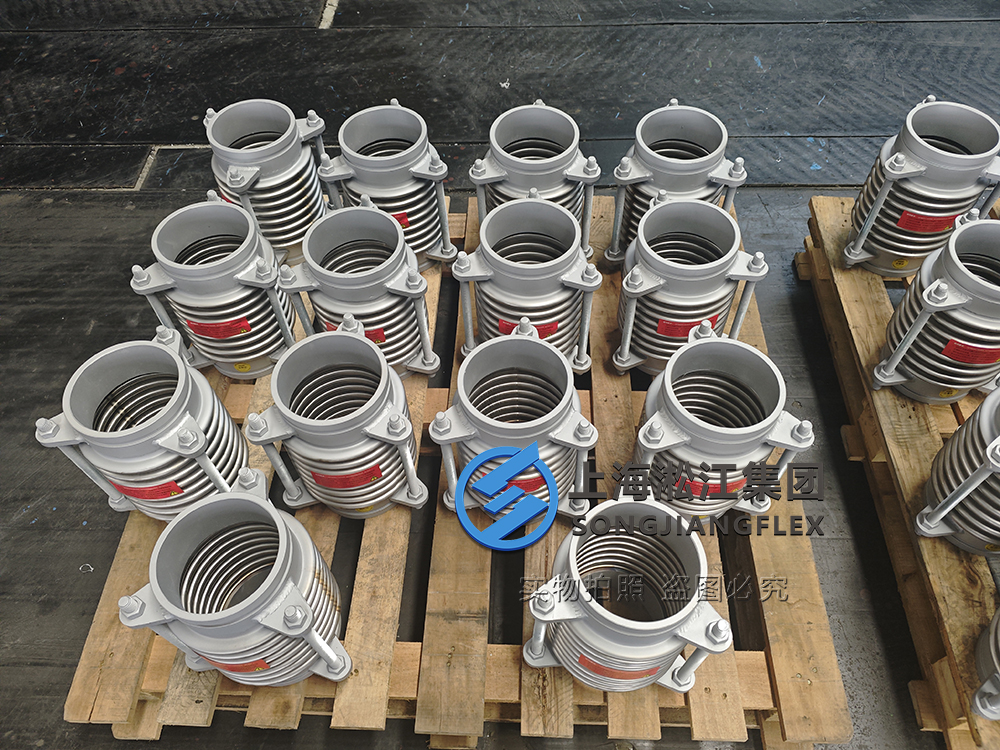
Yes. SUS304 diesel exhaust bellows can be manufactured in customized dimensions and connection configurations to suit specific industrial or marine exhaust piping layouts.
Common design variables include nominal diameter, face-to-face length, corrugation geometry, connection type, and required movement capacity.
Depending on the application, configurations may include welded pipe ends, flanged connections, internal flow liners, or other engineered components.
For international procurement, buyers should provide technical drawings, exhaust temperature, operating pressure, movement requirements, installation orientation, and applicable connection standards. These details allow manufacturers to evaluate technical feasibility and prepare suitable quotations.
Conclusion and Contact Information
SUS304 diesel engine exhaust bellows provide a flexible connection for industrial exhaust piping exposed to thermal expansion and limited mechanical vibration. Proper material selection, movement calculation, and installation design are essential for dependable operation.
We support customized stainless steel exhaust bellows for diesel generators, marine engines, and industrial exhaust systems.
For technical evaluation or quotations, please provide your pipe diameter, installation length, exhaust temperature, operating pressure, required movements, connection details, drawings, and order quantity.
Email: [email protected]
Our company’s new website is now live, featuring the latest product introductions. For more details, please visit https://shsjflex.com/